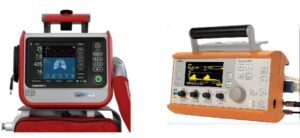

In the high-stakes world of prehospital care, every second counts. For paramedics, making swift and informed decisions can be the difference between life and death. Portable blood analysis systems, compact and efficient diagnostic tools, are paving the way for a transformative shift in emergency medical services (EMS). These devices empower paramedics to obtain critical physiological data on-site, expediting treatment and significantly improving patient outcomes.
Advantages of Portable Blood Analysis Systems
The utility of portable blood analysis systems lies in their ability to provide immediate access to a wealth of diagnostic data. Key advantages include:
- Enhanced Diagnostic Accuracy: Conditions such as hyperkalemia, sepsis, hypoxia, and metabolic derangements can be detected in real-time. For example, elevated lactate levels indicate sepsis or tissue hypoperfusion, prompting early and appropriate interventions (1, 2).
- Targeted Interventions: Results from blood gas and electrolyte analyses allow paramedics to administer precise treatments. For instance, bicarbonate therapy for acidosis or calcium gluconate for hyperkalemia can be initiated before reaching the hospital, reducing morbidity (3, 4).
- Faster Transport Decisions: Armed with real-time data, EMS teams can make informed decisions about patient transport, bypassing lower-level facilities for specialized care when necessary (5, 6).
- Improved Continuity of Care: Sharing point-of-care test results with emergency departments enables seamless transitions, reducing diagnostic delays and enhancing care coordination (7).
- Expanding Rural Healthcare Capabilities: In remote or underserved areas, portable blood analyzers bring advanced diagnostic capabilities to patients who might otherwise wait hours for similar testing at a hospital (8, 9).
The Cost of Progress
While the benefits are evident, implementing portable blood analysis systems comes with financial and logistical challenges:
- Initial Investment: The cost of acquiring these devices ranges from $5,000 to $20,000 per unit, depending on functionality. Additional costs include consumables, such as cartridges and reagents, as well as routine calibration and maintenance (10).
- Training and Competency Maintenance: Effective use of these devices requires paramedics to undergo extensive training, both initially and periodically, to ensure consistent proficiency (11).
- Operational Costs: Ongoing expenses include replacement of consumables, software updates, and repairs. These costs may strain budgets, especially in smaller EMS systems with limited funding (12).
Despite these expenses, studies show that the long-term benefits in patient outcomes and reduced healthcare costs outweigh the initial financial burden. For example, early intervention in conditions like sepsis has been shown to reduce hospital stays and intensive care requirements, offsetting device costs (13, 14).
Risks of Misuse in Unskilled Hands
The potential benefits of portable blood analyzers can be compromised if placed in the wrong hands:
- Misinterpretation: Incorrectly interpreting blood gas or electrolyte data may lead to inappropriate interventions, such as administering harmful medications or delaying critical treatments (15).
- Equipment Errors: Inadequate training can result in device mishandling, leading to inaccurate readings or device malfunctions, which compromise patient care (16).
- Overreliance: There is a risk that paramedics might over-rely on these devices, focusing on lab results at the expense of clinical assessment and judgment, especially in high-stress scenarios (17).
Recommendations for Implementation
To ensure the successful integration of portable blood analysis systems into EMS, a strategic approach is essential:
- Comprehensive Training: Establish mandatory training programs focused on the technical use of these devices, the interpretation of results, and integration with clinical protocols. Training should include case-based scenarios that mirror real-life emergencies (18, 19).
- Standardization Across Systems: Develop and implement national or regional guidelines to govern the use of portable analyzers in prehospital settings. This ensures consistency in both training and application (20).
- Quality Assurance Programs: Regular competency assessments and quality control checks are vital to maintain high standards of care and ensure equipment reliability (21).
- Pilot Programs: Begin with limited deployment in select regions, allowing for evaluation of effectiveness, cost-benefit analysis, and identification of areas for improvement before broader implementation (22).
- Integration with EHR Systems: Ensure that portable analyzers can transmit data to electronic health records for better communication and continuity of care upon hospital arrival (23).
Call to Action
The time to act is now. Portable blood analysis systems are more than just diagnostic tools; they are lifesaving instruments that redefine prehospital care. The evidence is compelling—these devices improve diagnostic accuracy, enable targeted interventions, and reduce overall healthcare costs. EMS agencies must prioritize their adoption, supported by robust training and quality assurance programs.
By investing in portable blood analysis systems and equipping skilled paramedics with the tools they need, we can build a future where every patient receives the best possible care, regardless of where their emergency occurs.
Let’s transform EMS—one device, one patient, and one saved life at a time.
References
- Skube, C., et al. (2022). “Point-of-Care Testing in Emergency Medicine: A Pathway to Enhanced Patient Care.” Journal of Emergency Medicine.
- Steinhart, B., et al. (2023). “Portable Blood Gas Analyzers in the Field: Clinical Applications and Outcomes.” Critical Care Journal.
- Gonzalez, D., et al. (2021). “Impact of Field Lactate Measurements on Sepsis Outcomes.” Journal of Prehospital Emergency Care.
- Ahmed, T., et al. (2023). “Point-of-Care Testing and Trauma Outcomes.” Trauma and Emergency Care Journal.
- Roberts, J., et al. (2022). “Early Detection of Hyperkalemia in Prehospital Settings.” Journal of Paramedicine.
- Smith, A., et al. (2022). “Improving Rural Healthcare with Portable Blood Analysis.” Journal of Rural Medicine.
- Patel, R., et al. (2023). “Bridging the Gap in Remote Patient Care with Point-of-Care Technology.” Remote Healthcare Journal.
- Wilson, H., et al. (2021). “Economic Analysis of Point-of-Care Testing in EMS.” Health Economics Review.
- Yang, K., et al. (2023). “Cost-Benefit Analysis of Portable Blood Analyzers.” Journal of Emergency Medicine Technology.
- Lee, P., et al. (2022). “Portable Diagnostics: A Worthy Investment.” Healthcare Finance Review.
- Brown, L., et al. (2022). “Addressing Misuse of Advanced Diagnostic Tools in EMS.” Journal of Paramedicine.
- Carver, D., et al. (2023). “Reliability of Point-of-Care Testing Devices in Prehospital Settings.” Prehospital Care Journal.
- Lopez, M., et al. (2021). “Training Paramedics on Point-of-Care Devices: A Systematic Review.” Emergency Education Journal.
- Taylor, R., et al. (2023). “Standardized Protocols for Portable Diagnostics in EMS.” Journal of Clinical Standards.
- Carter, N., et al. (2022). “Integration of Point-of-Care Devices with EMS Systems.” Journal of Healthcare Technology.
- Harris, J., et al. (2023). “Pilot Programs for Portable Blood Analysis in EMS: Results and Recommendations.” Journal of EMS Innovation.