Ventilation. Perfusion. And the Space In Between
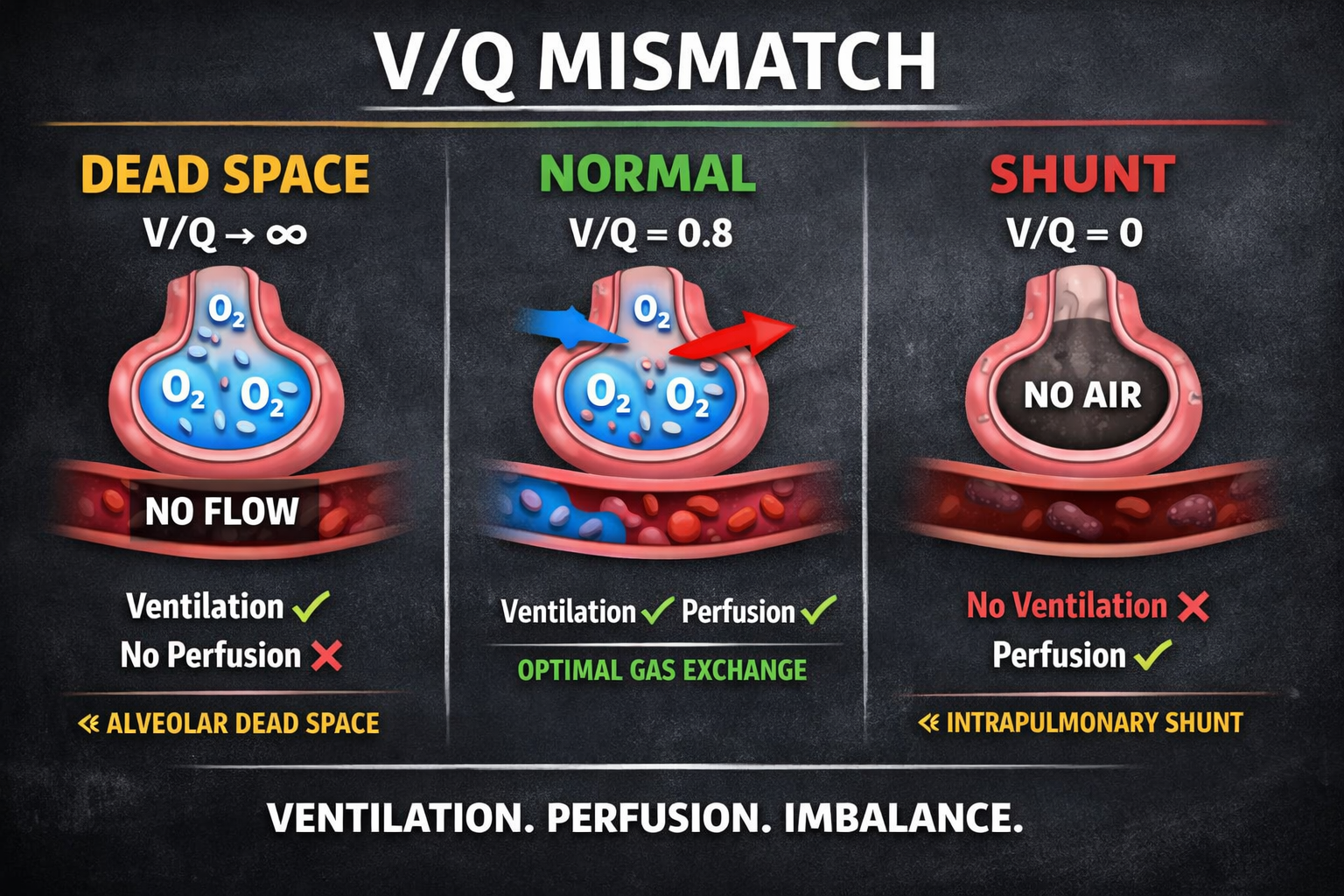
There’s a number we throw around in medicine. 0.8. We say it like it’s fixed. Predictable. Reliable. But it isn’t. That number… is a compromise. And unless you understand why…
Every January, healthcare is flooded with the same tired language: be better, do more, push harder. But for those of us working in emergency departments, ICUs, ambulances, and wards that…
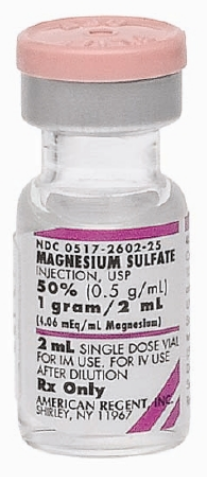
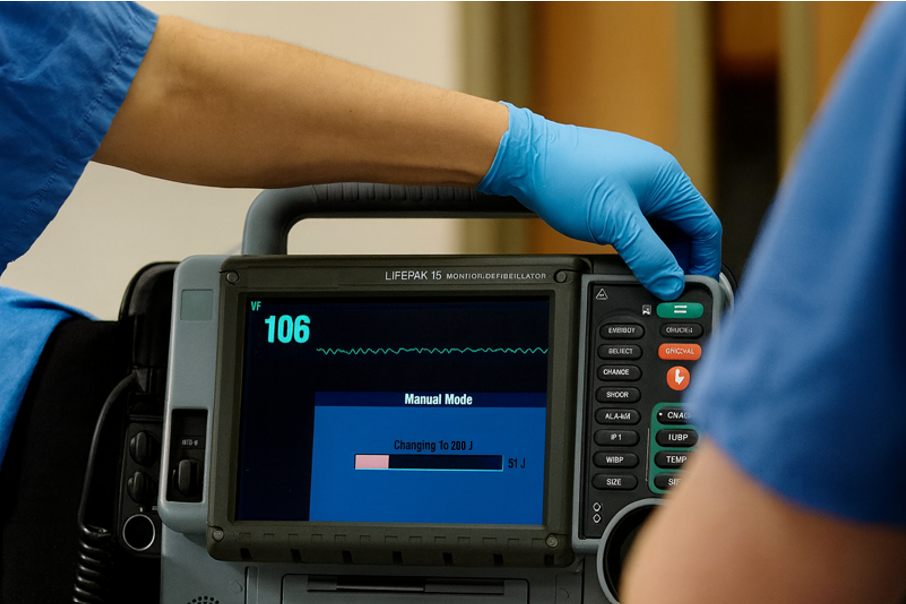
Introduction Shock-refractory ventricular fibrillation (VF) and pulseless ventricular tachycardia (pVT) remain among the most difficult cardiac arrest rhythms to manage. Even with rapid defibrillation and high-quality CPR, some patients simply…
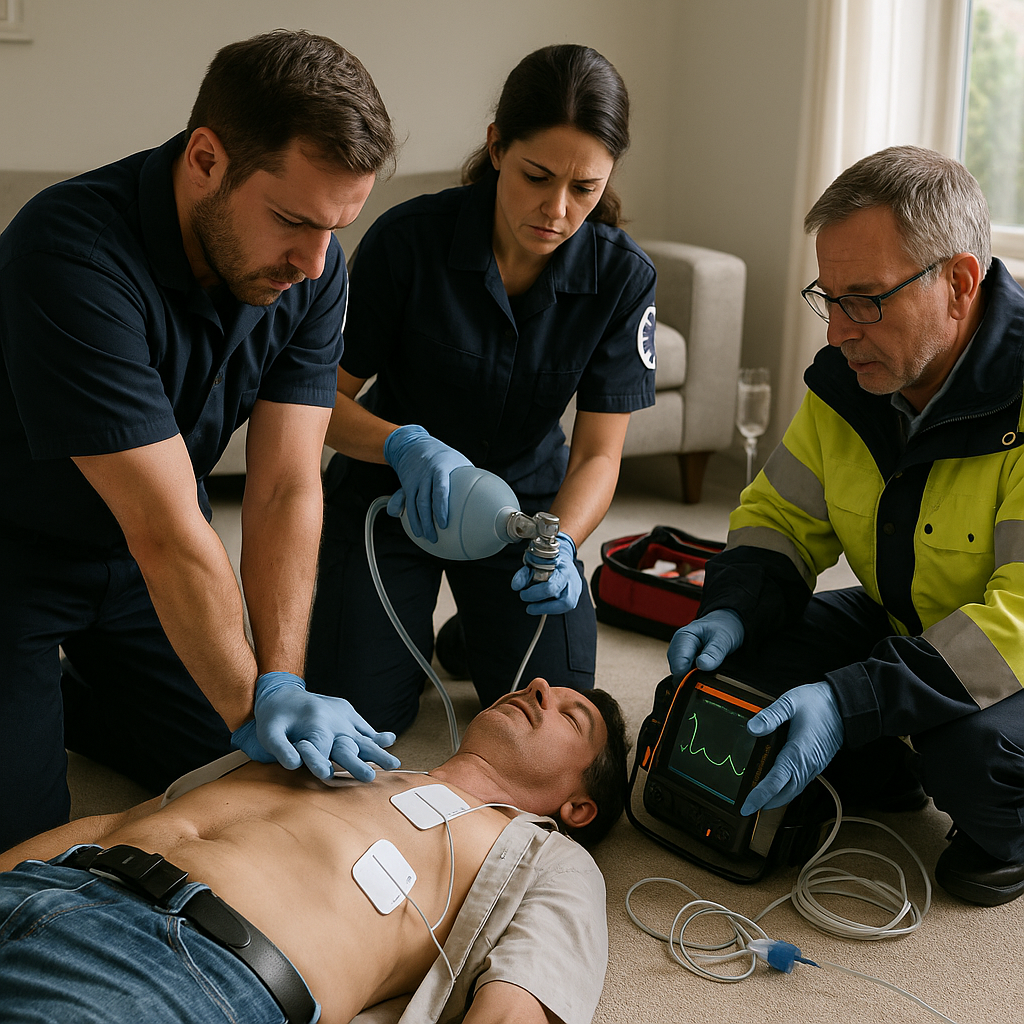
Introduction When cardiac arrest happens, the natural instinct for many providers is to “load and go” — to rush the patient to the hospital, believing that definitive care lies beyond…
In the fast-paced world of prehospital and emergency care, Continuous Positive Airway Pressure (CPAP) has emerged as a game-changing intervention for patients in respiratory distress. From reducing intubation rates to…
Introduction Diabetic Ketoacidosis (DKA) is a life-threatening complication of diabetes mellitus characterized by hyperglycemia, ketonemia, metabolic acidosis, and severe fluid depletion. Despite the acidic pH of 0.9% Sodium Chloride (NaCl)…
Effective management of ventilated patients requires a deep understanding of the patient's respiratory status beyond what pulse oximetry alone can provide. Hypoxia and hypercarbia are two critical conditions that can…
In the high-stakes world of prehospital care, every second counts. For paramedics, making swift and informed decisions can be the difference between life and death. Portable blood analysis systems, compact…
Acute Respiratory Distress Syndrome (ARDS) remains one of the most challenging and deadly respiratory conditions in critical care, characterized by profound hypoxemia, reduced lung compliance, and bilateral pulmonary infiltrates. It…
Wolff-Parkinson-White (WPW) Syndrome is a rhythm disturbance that hides in plain sight—calm one minute, catastrophic the next. While it's relatively rare, it carries the potential for lethal arrhythmias if misdiagnosed…