Portable Blood Analysis Systems in the Prehospital Setting: A Game Changer for Patient Care

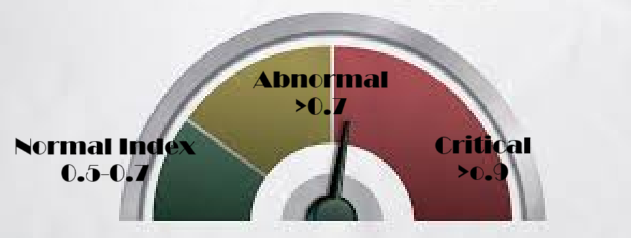
In the high-stakes world of prehospital care, every second counts. For paramedics, making swift and informed decisions can be the difference between life and death. Portable blood analysis systems, compact…

Continue ReadingPortable Blood Analysis Systems in the Prehospital Setting: A Game Changer for Patient Care

By-the-Book Deaths: When Following Medical Control Still Puts Your License at Risk

Disclaimer:This article is not a call for paramedics to ignore or override written protocols. Protocols are critical tools that guide safe, evidence-based care. Providers must always follow the clinical guidelines…

Continue ReadingBy-the-Book Deaths: When Following Medical Control Still Puts Your License at Risk

Hemorrhagic Shock and Fluid Resuscitation in Trauma Patients: A Call to Action for Blood-Based Resuscitation

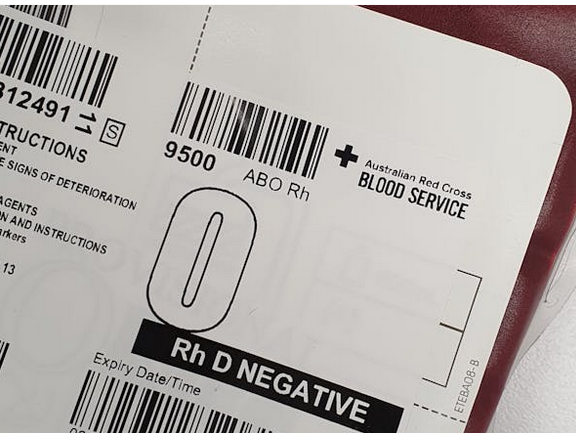
Introduction Hemorrhagic shock is a life-threatening condition that remains a leading cause of preventable deaths in trauma patients, particularly in the prehospital setting (1). Defined by a critical loss of…

Continue ReadingHemorrhagic Shock and Fluid Resuscitation in Trauma Patients: A Call to Action for Blood-Based Resuscitation

Replacing Needle Decompression with Simple Thoracostomy: A Paradigm Shift in EMS Chest Trauma Management

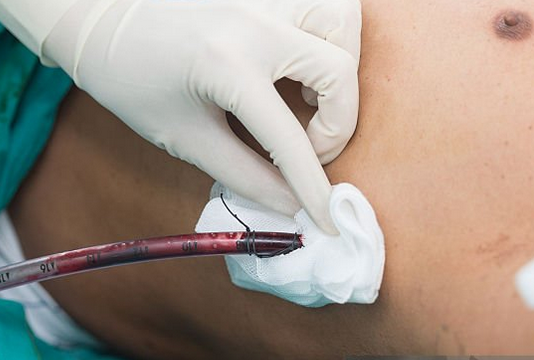
Trauma is a leading cause of death across various age groups, accounting for a substantial number of fatalities annually. Chest injuries, in particular, significantly contribute to this toll and are…

Continue ReadingReplacing Needle Decompression with Simple Thoracostomy: A Paradigm Shift in EMS Chest Trauma Management

The Critical Role of Proper Ventilation: Challenges of Using a BVM with an ETT Tube

In the pre-hospital environment, paramedics often face the challenging task of managing a patient's airway under less-than-ideal conditions. Among the various tools at their disposal, the bag-valve-mask (BVM) connected to…

Continue ReadingThe Critical Role of Proper Ventilation: Challenges of Using a BVM with an ETT Tube

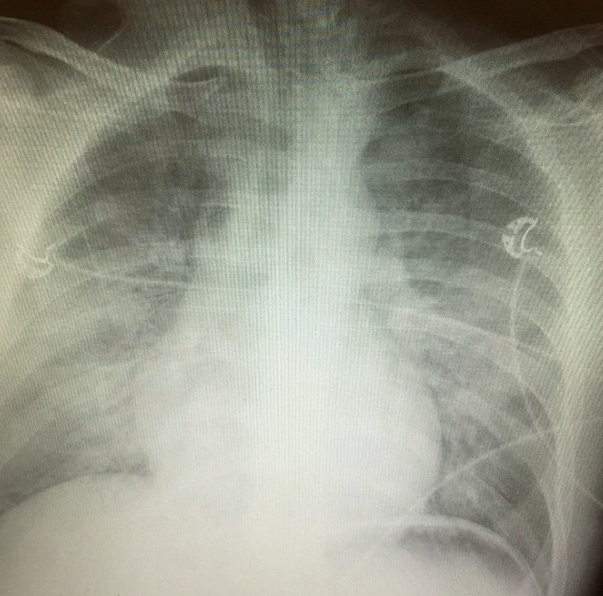
Safe Transfer of Patients with Suspected Myocardial Infarction to Facilities with Cath Labs

The transfer of patients with a suspected myocardial infarction (MI) from hospitals without catheterization laboratories (cath labs) to those equipped with such facilities is a critical process that demands precise…

Continue ReadingSafe Transfer of Patients with Suspected Myocardial Infarction to Facilities with Cath Labs