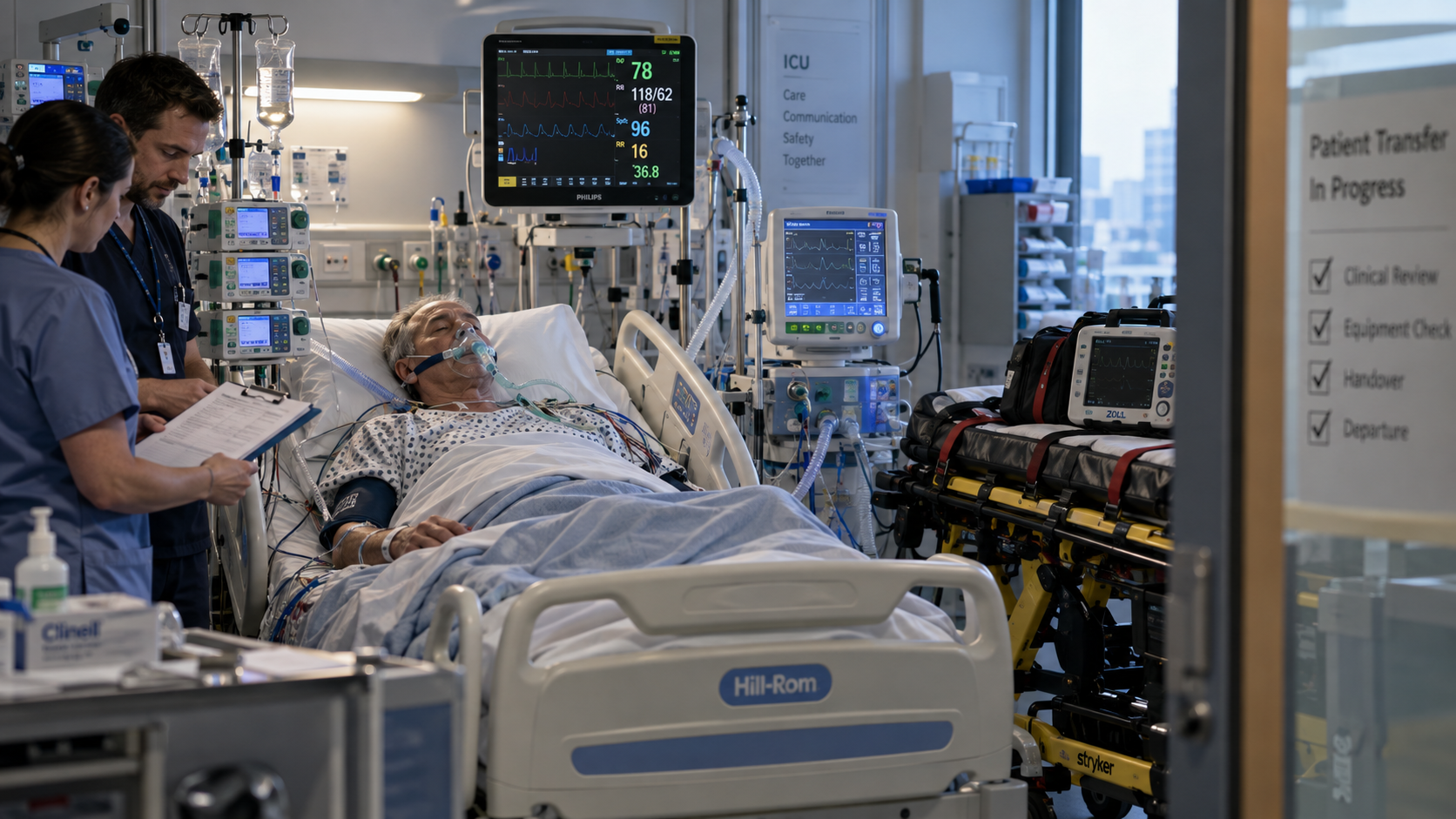
A Stable Handover Can Hide an Unstable Transport
The patient is awake. The blood pressure is acceptable. The oxygen saturation looks good. The monitor is quiet. The sending team describes them as “stable for transfer.” And yet, sometime…
The patient is awake. The blood pressure is acceptable. The oxygen saturation looks good. The monitor is quiet. The sending team describes them as “stable for transfer.” And yet, sometime…
Understanding the Physiology Behind the Protocol One of the guiding philosophies at AGC Med is that clinicians should strive to understand why they perform an intervention rather than simply memorising…
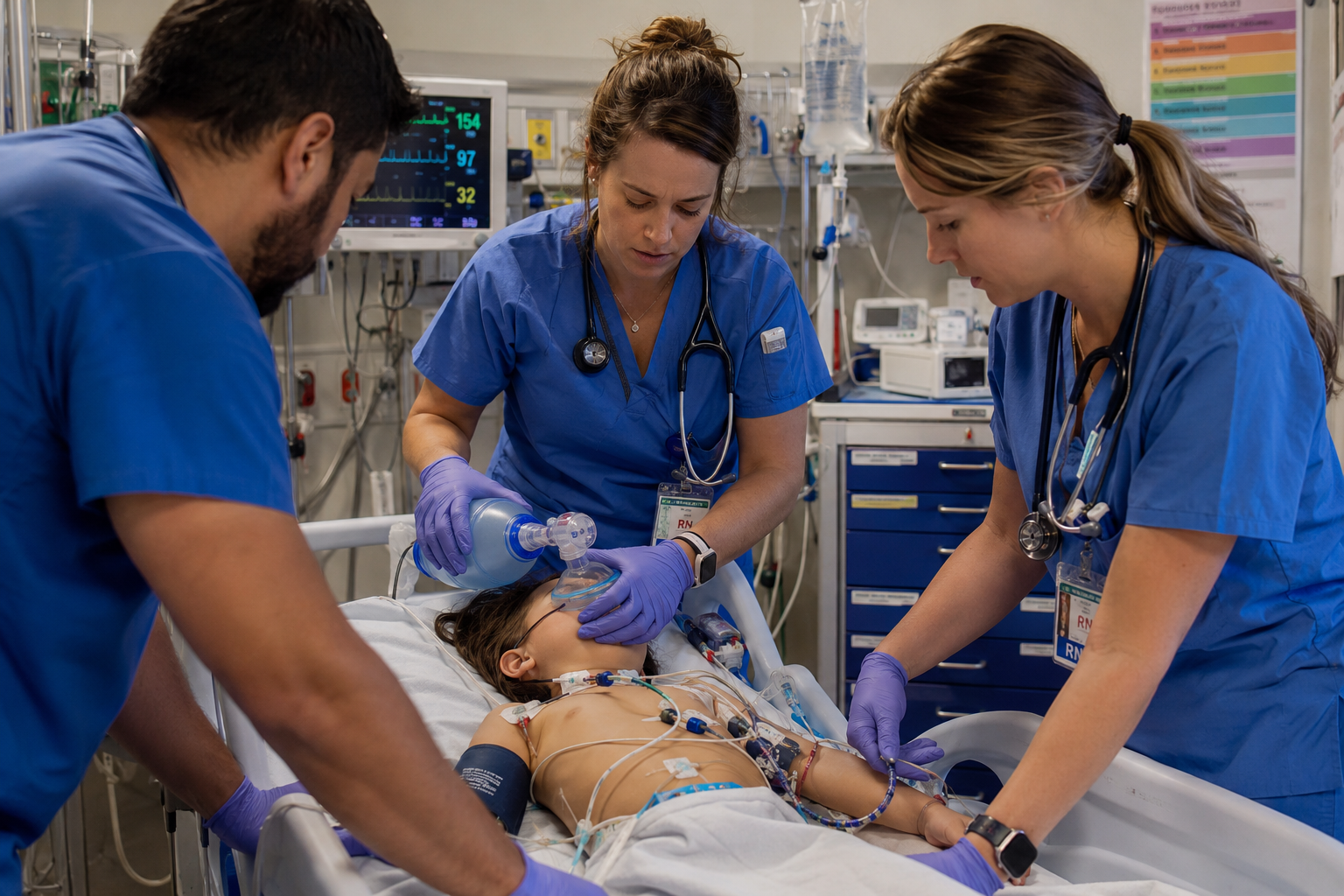
For decades, pediatric resuscitation has taught us that when a child becomes bradycardic with poor perfusion and requires CPR, arrest-dose epinephrine is the natural next step. It’s a familiar reflex.…
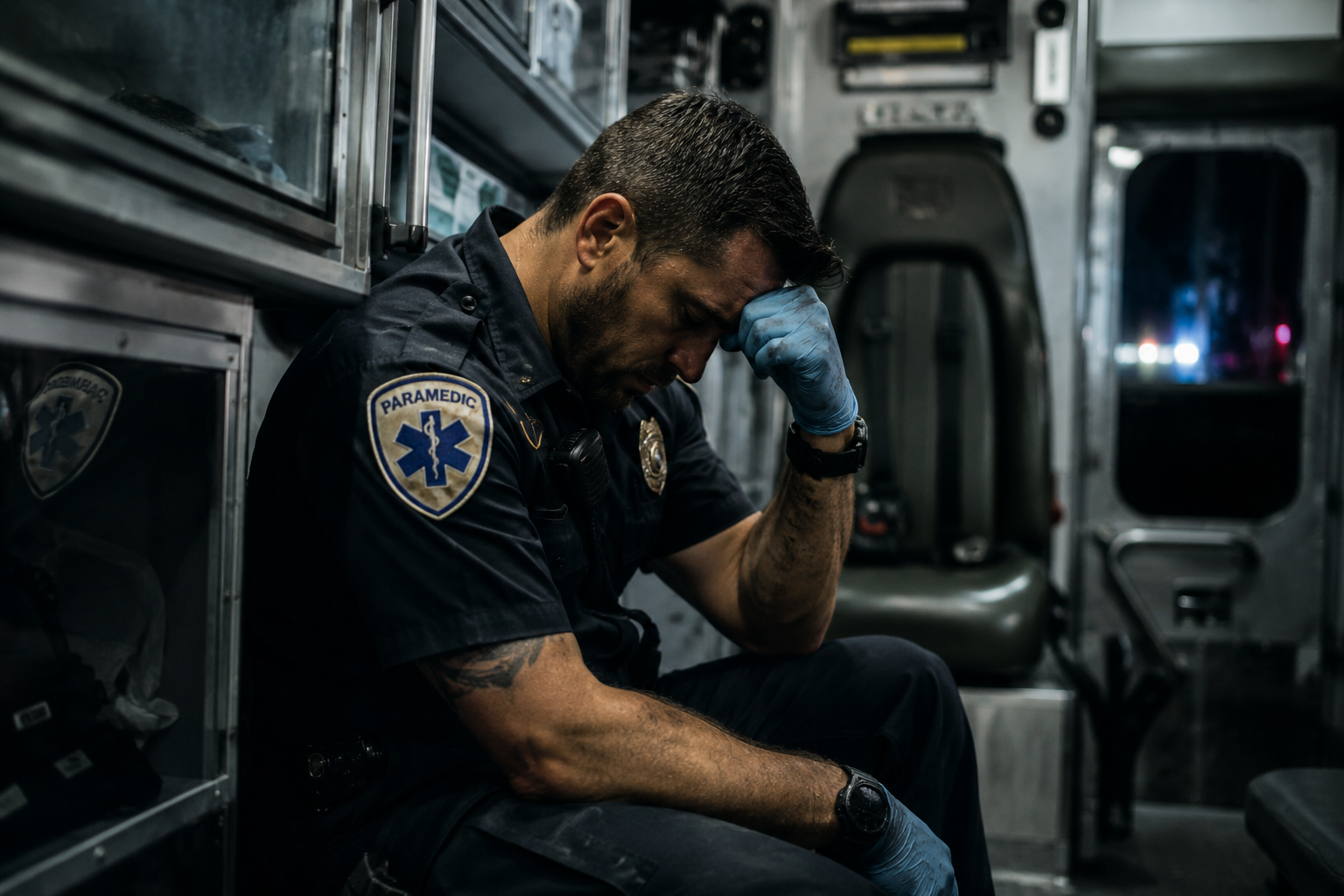
The quiet survival mechanism EMS rarely talks about There is a point in EMS where experience can start to look like coldness. Not because the provider does not care. But…
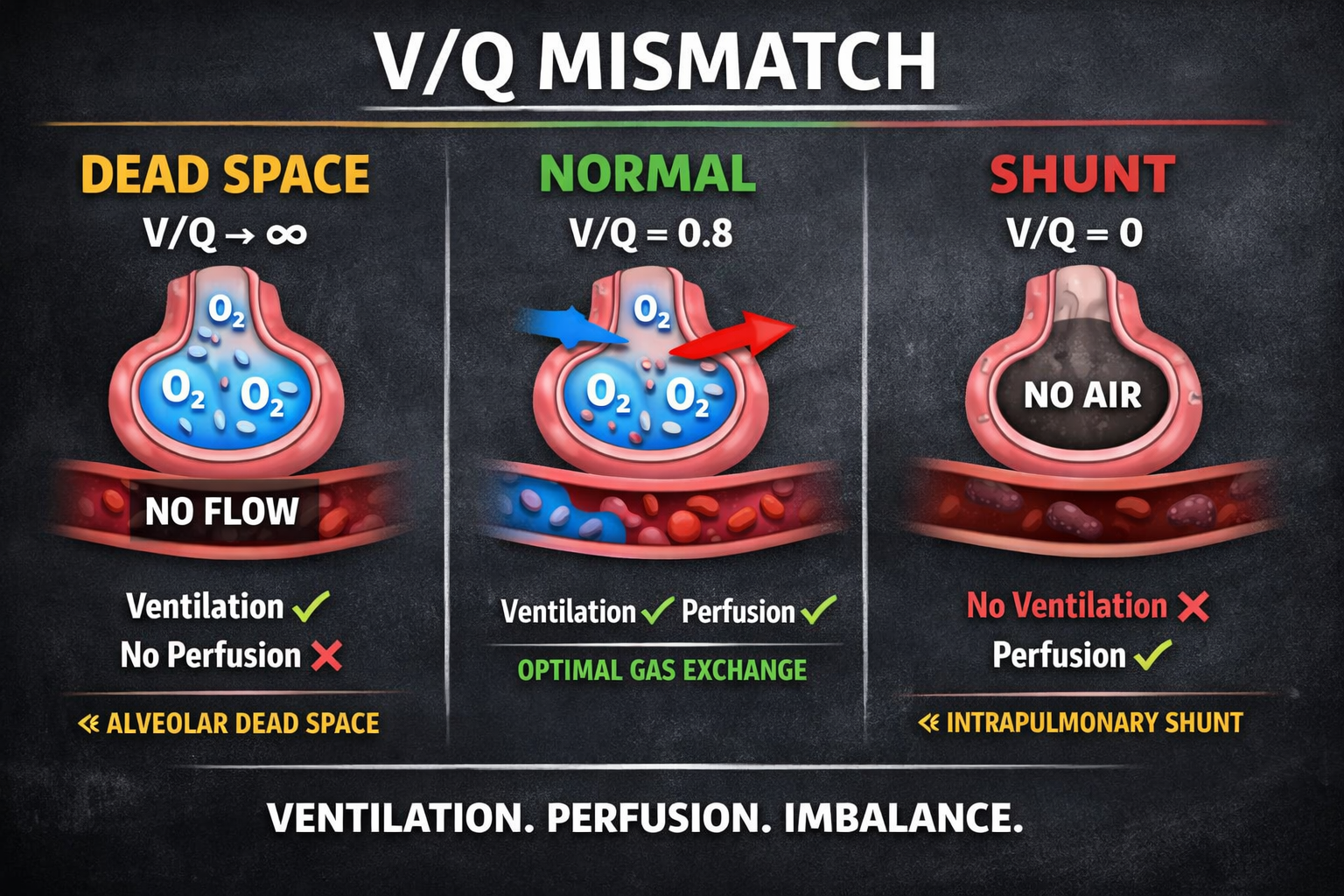
There’s a number we throw around in medicine. 0.8. We say it like it’s fixed. Predictable. Reliable. But it isn’t. That number… is a compromise. And unless you understand why…
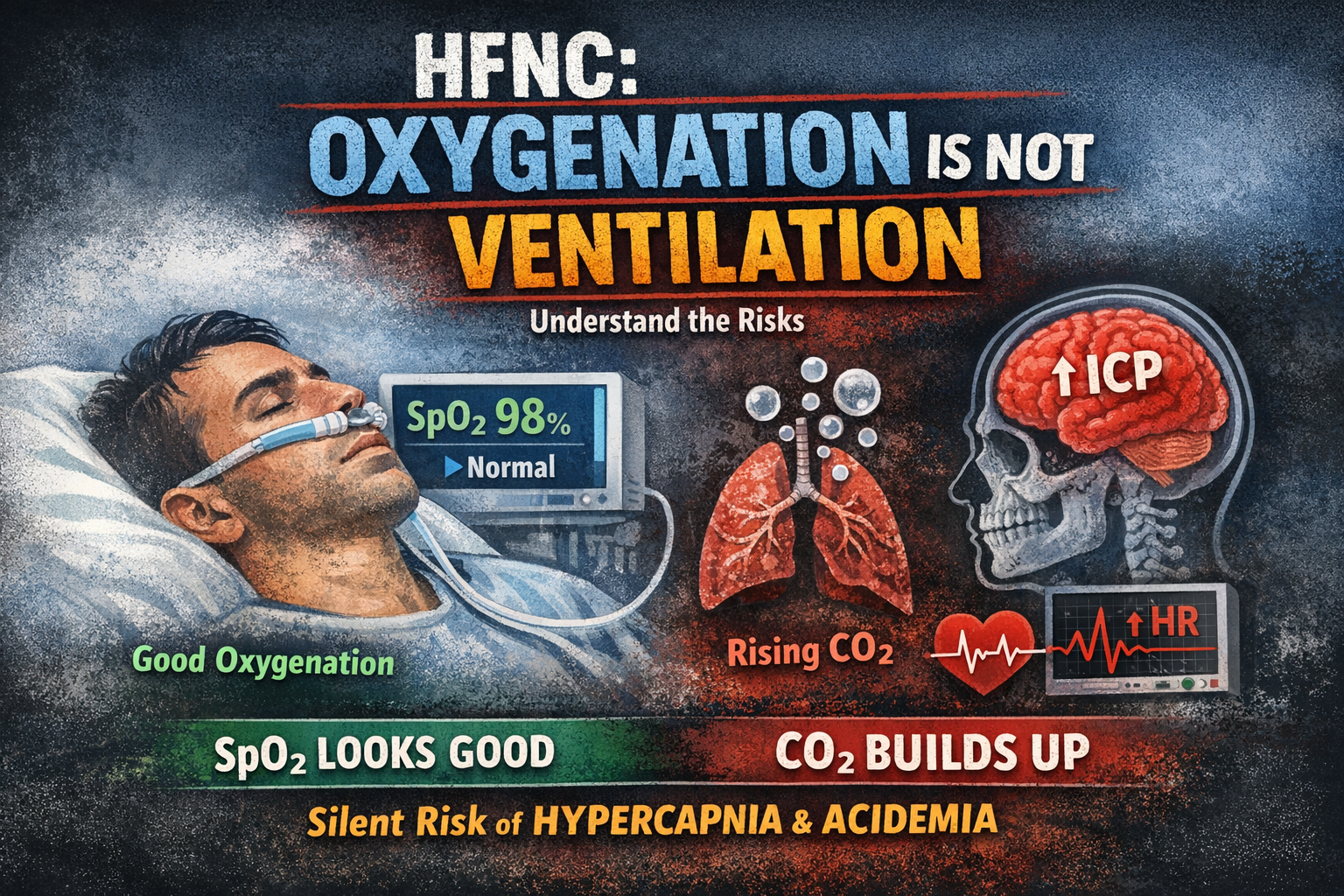
There is a moment most of us recognise, although we rarely say it out loud. You place a patient on high-flow nasal cannula.The respiratory rate slows.The anxiety softens.The oxygen saturation…
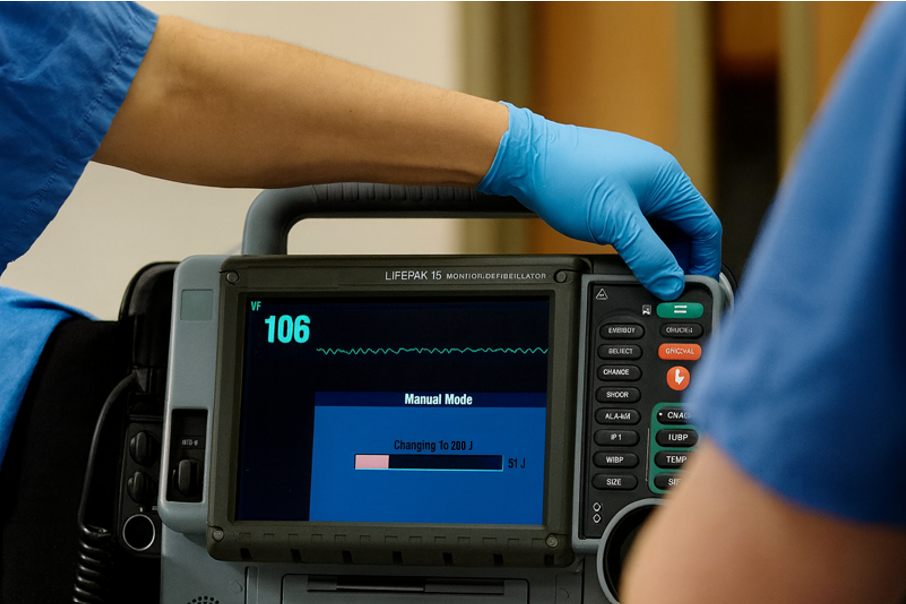
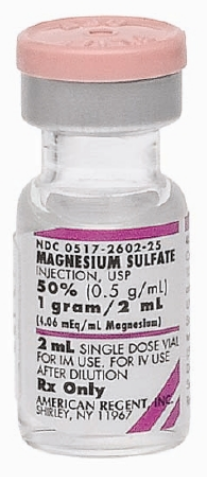
Introduction Shock-refractory ventricular fibrillation (VF) and pulseless ventricular tachycardia (pVT) remain among the most difficult cardiac arrest rhythms to manage. Even with rapid defibrillation and high-quality CPR, some patients simply…
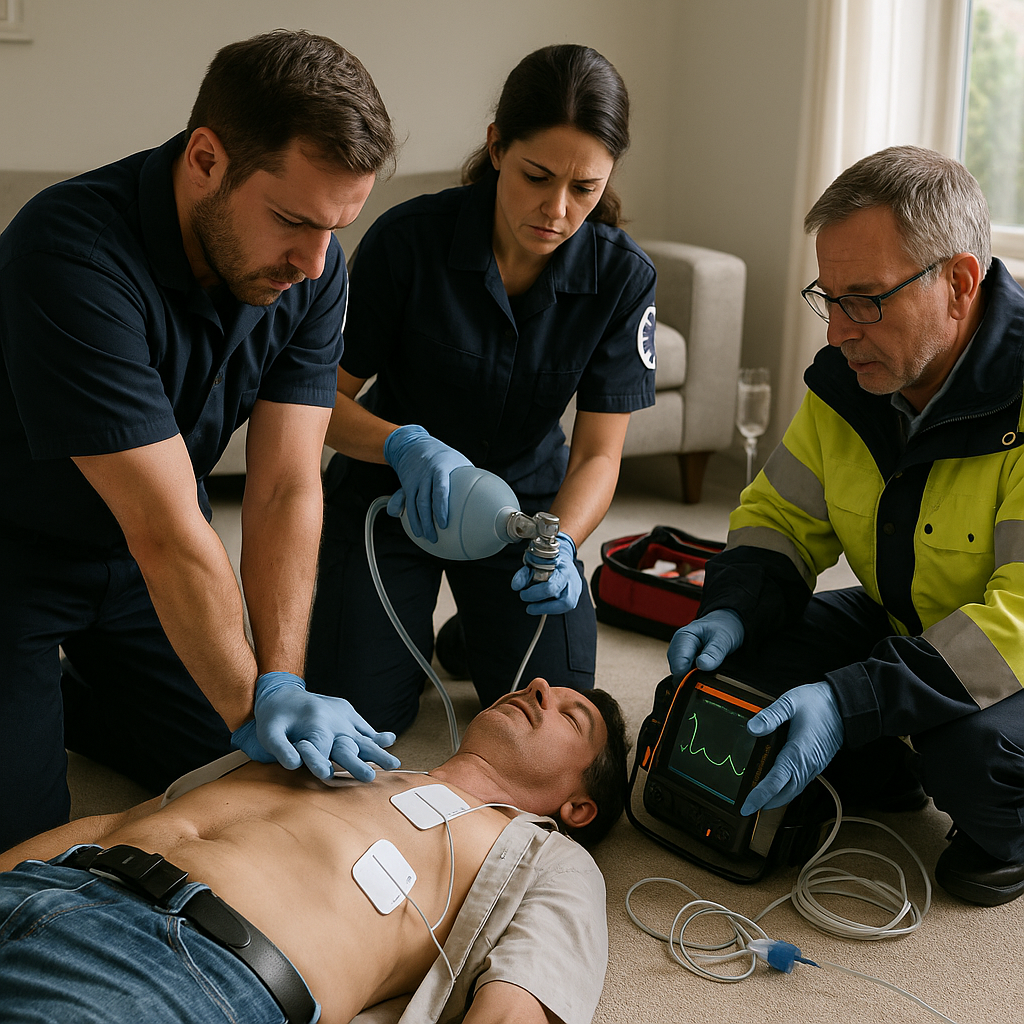
Introduction When cardiac arrest happens, the natural instinct for many providers is to “load and go” — to rush the patient to the hospital, believing that definitive care lies beyond…

Narcan is a cornerstone in the treatment of opioid overdose. It reverses life-threatening respiratory depression, restores consciousness, and often brings dramatic results. But in some cases, this abrupt reversal can…

Disclaimer:This article is not a call for paramedics to ignore or override written protocols. Protocols are critical tools that guide safe, evidence-based care. Providers must always follow the clinical guidelines…