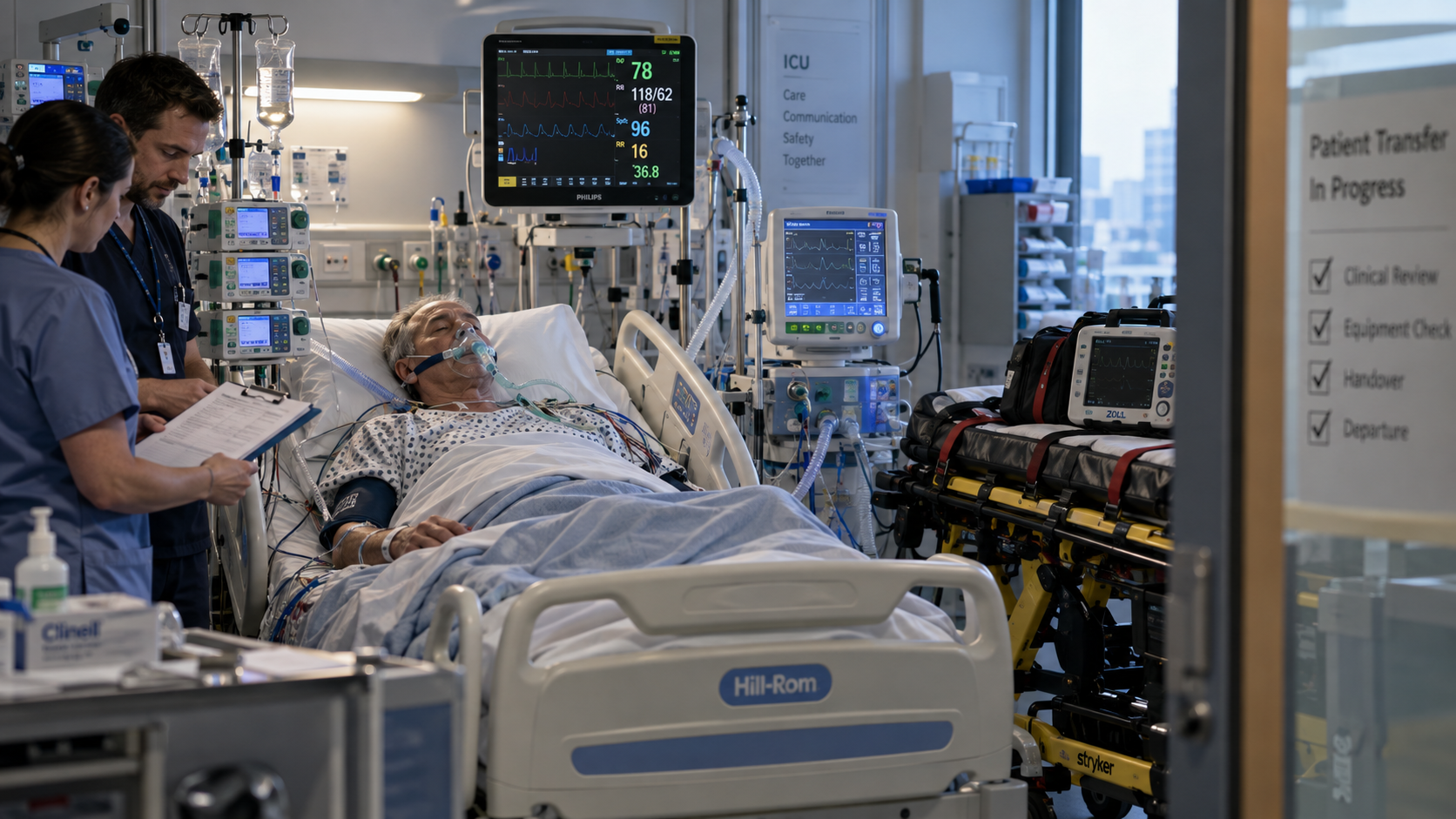
A Stable Handover Can Hide an Unstable Transport
The patient is awake. The blood pressure is acceptable. The oxygen saturation looks good. The monitor is quiet. The sending team describes them as “stable for transfer.” And yet, sometime…

The patient is awake. The blood pressure is acceptable. The oxygen saturation looks good. The monitor is quiet. The sending team describes them as “stable for transfer.” And yet, sometime…
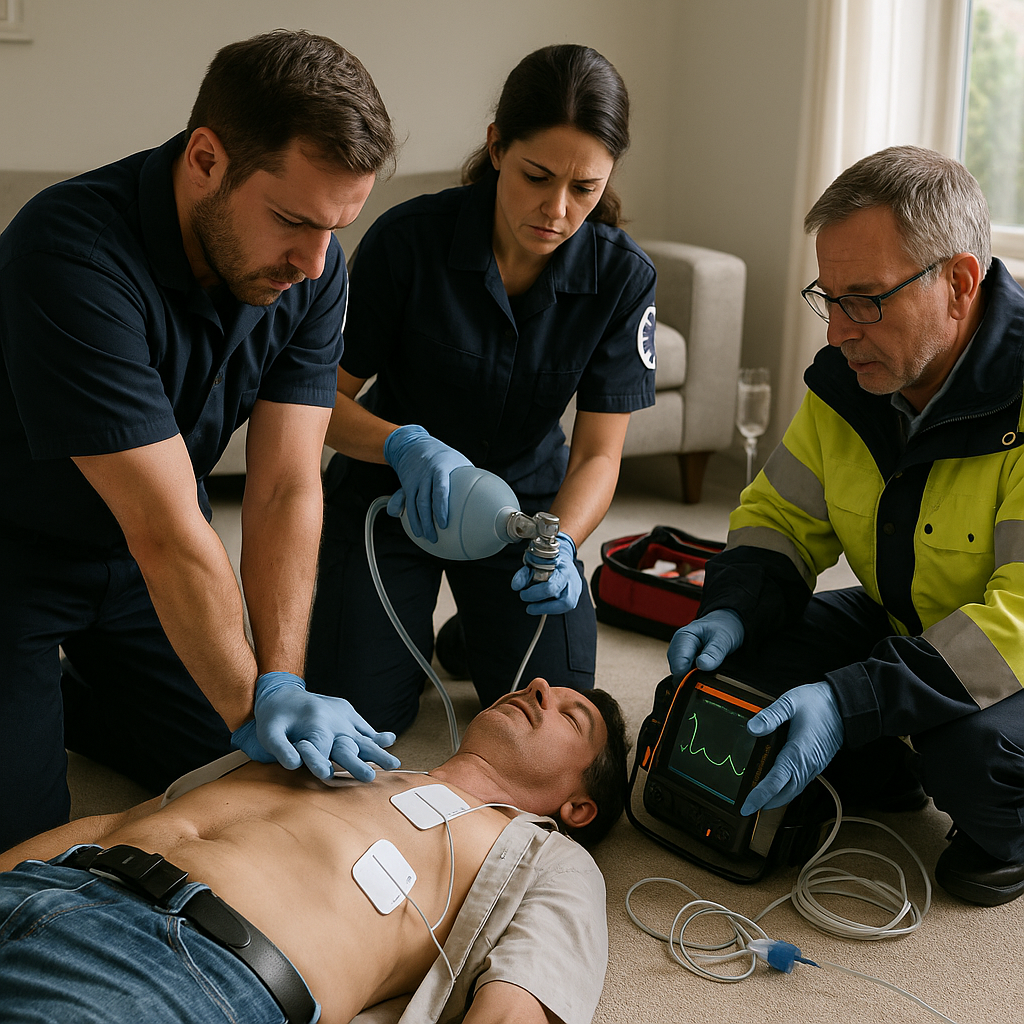
Introduction When cardiac arrest happens, the natural instinct for many providers is to “load and go” — to rush the patient to the hospital, believing that definitive care lies beyond…

Disclaimer:This article is not a call for paramedics to ignore or override written protocols. Protocols are critical tools that guide safe, evidence-based care. Providers must always follow the clinical guidelines…
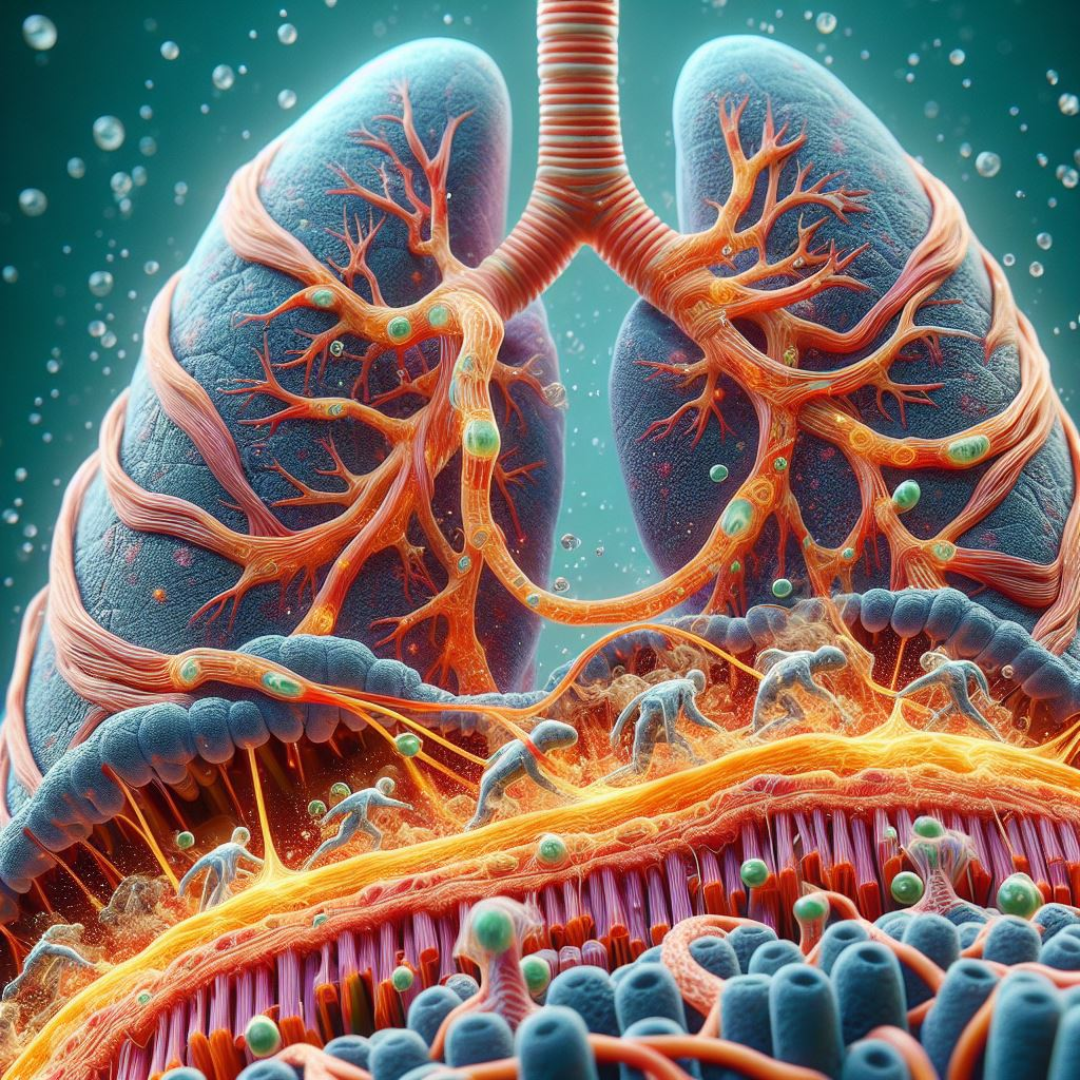
Throughout my career, I've adhered to a fundamental principle: treat the patient, not the monitor or device. This approach emphasizes the importance of holistic patient assessment, where clinical judgment takes…
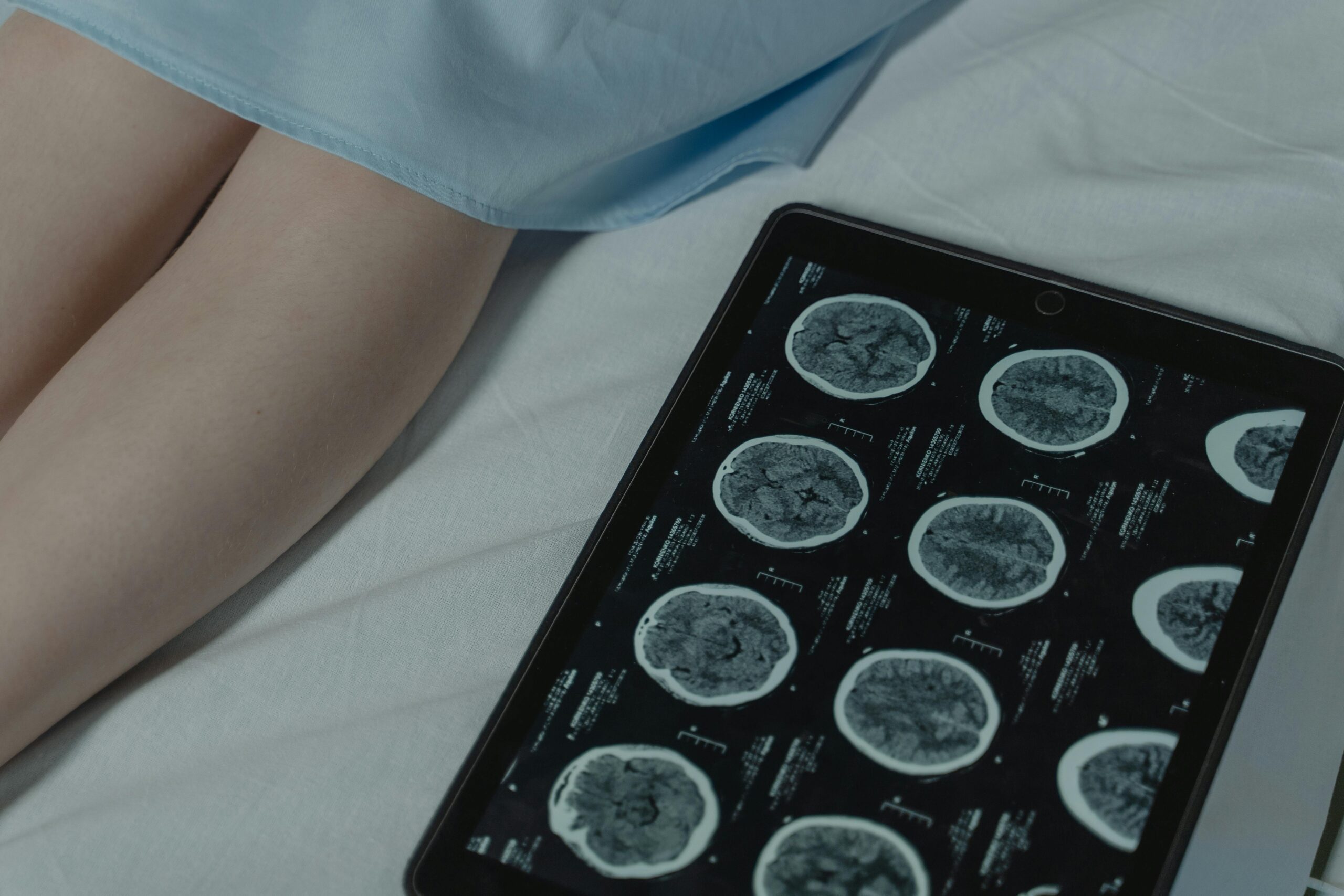
In the realm of healthcare, intra-facility patient transfers, especially via medevac flights, demand meticulous planning and adherence to safety protocols. When dealing with patients requiring External Ventricular Drainage (EVD), such…
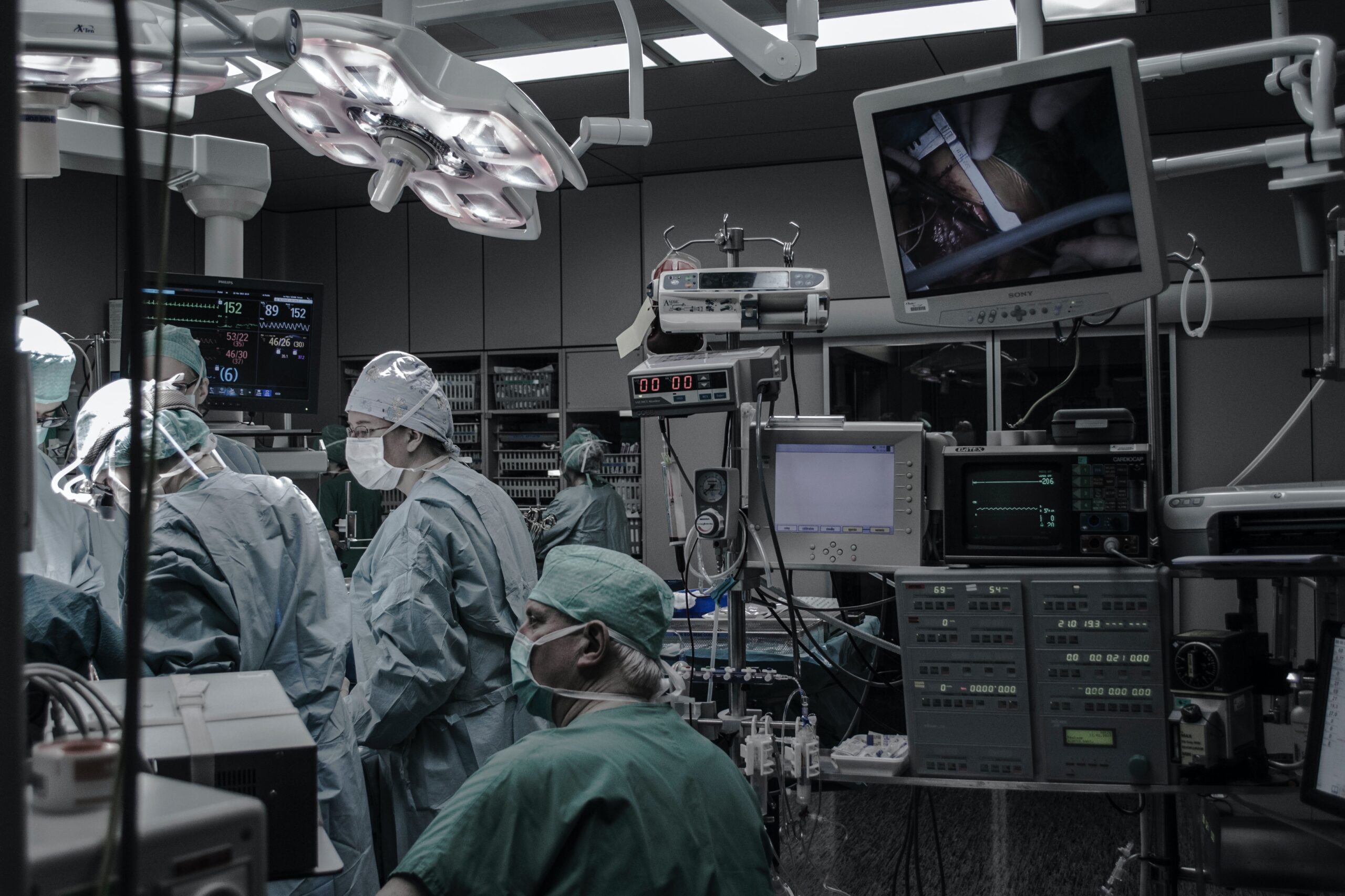
Introduction: In the ever-evolving landscape of medical technology, healthcare professionals continue to rely on cutting-edge tools and devices to provide the best possible care to their patients. One such instrument…