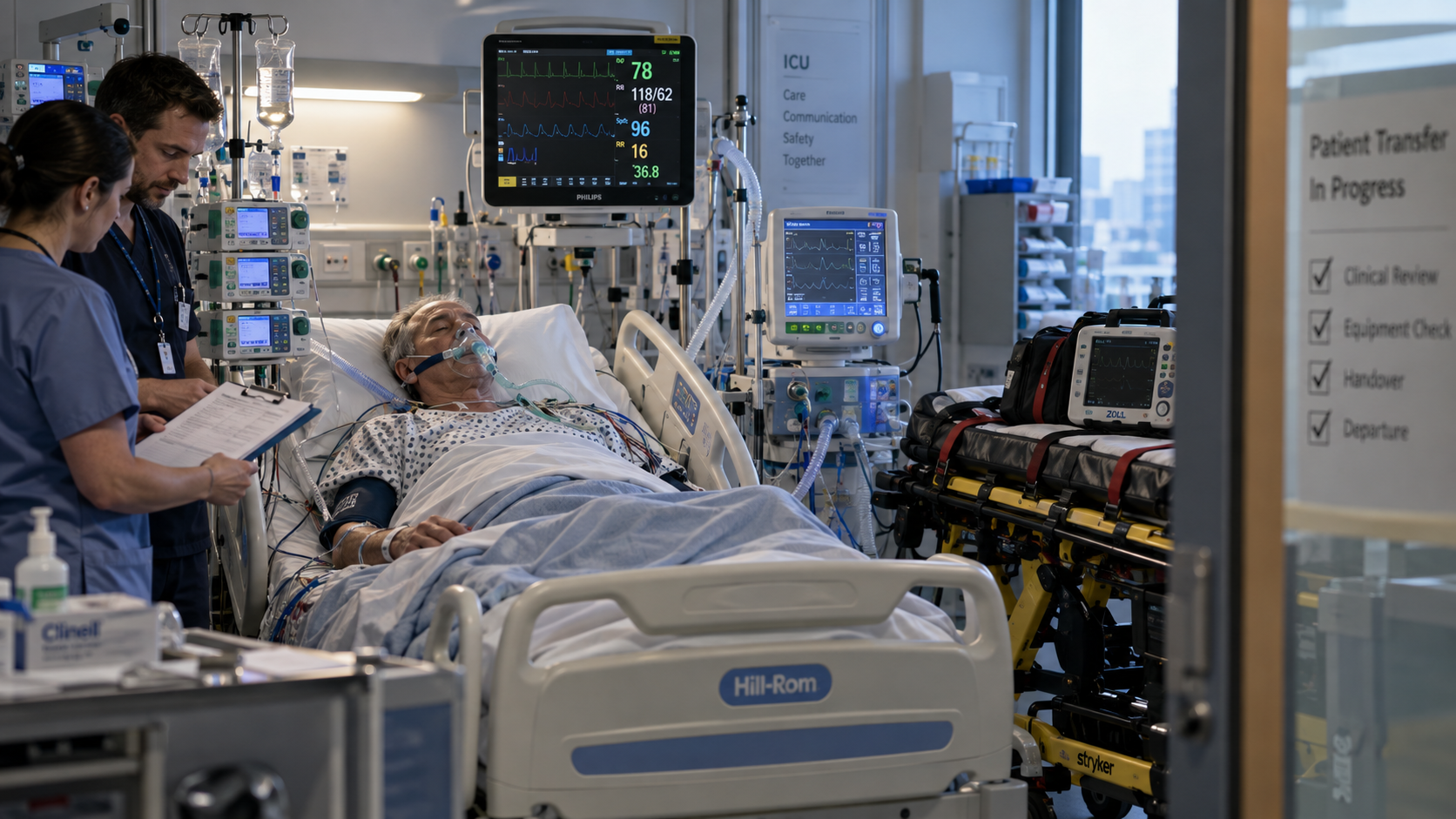
A Stable Handover Can Hide an Unstable Transport
The patient is awake. The blood pressure is acceptable. The oxygen saturation looks good. The monitor is quiet. The sending team describes them as “stable for transfer.” And yet, sometime…

The patient is awake. The blood pressure is acceptable. The oxygen saturation looks good. The monitor is quiet. The sending team describes them as “stable for transfer.” And yet, sometime…
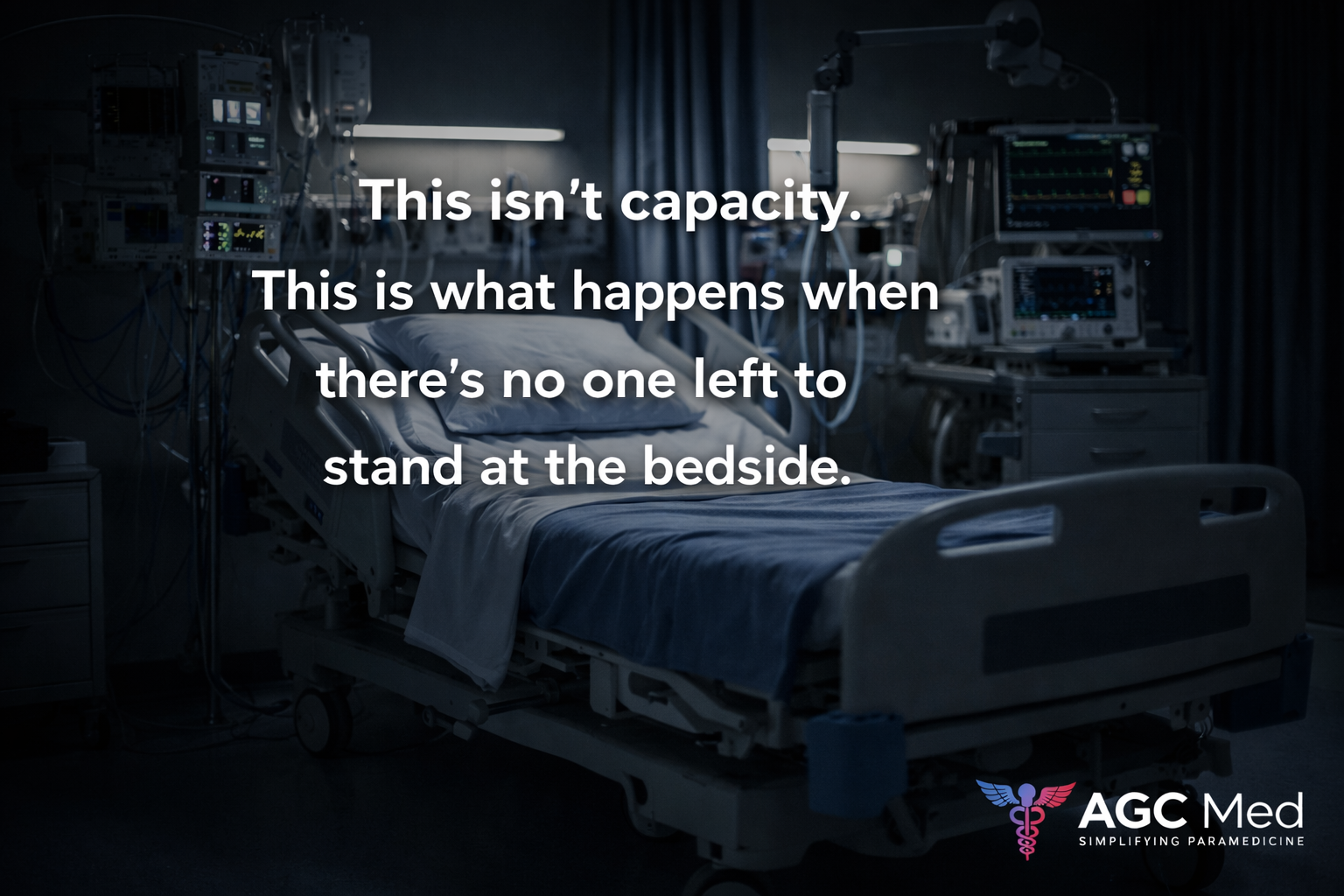
There’s a version of the story we keep telling in healthcare. “The doctor saved the patient.” It’s neat.It’s structured.It fits into headlines and handovers. But if you’ve ever stood inside…
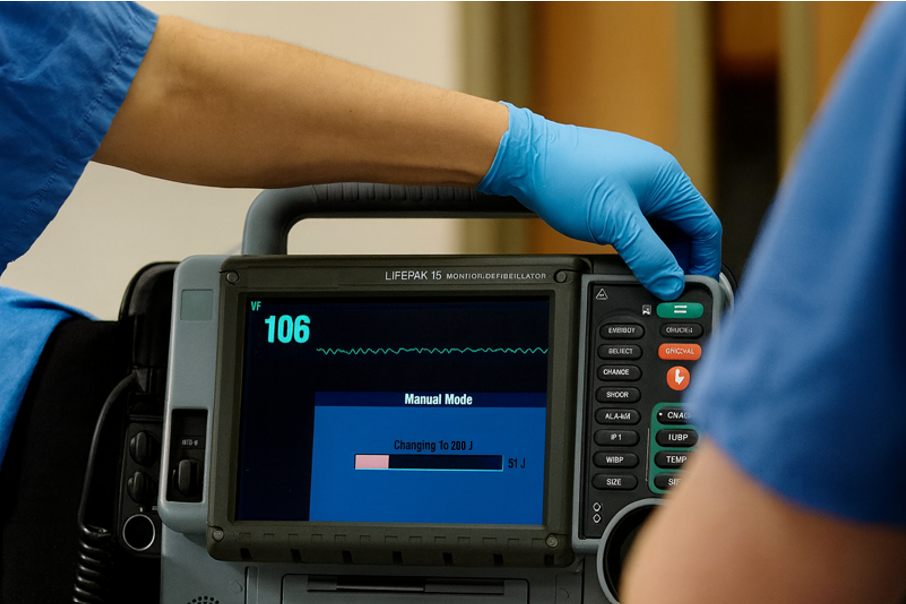
Introduction Shock-refractory ventricular fibrillation (VF) and pulseless ventricular tachycardia (pVT) remain among the most difficult cardiac arrest rhythms to manage. Even with rapid defibrillation and high-quality CPR, some patients simply…
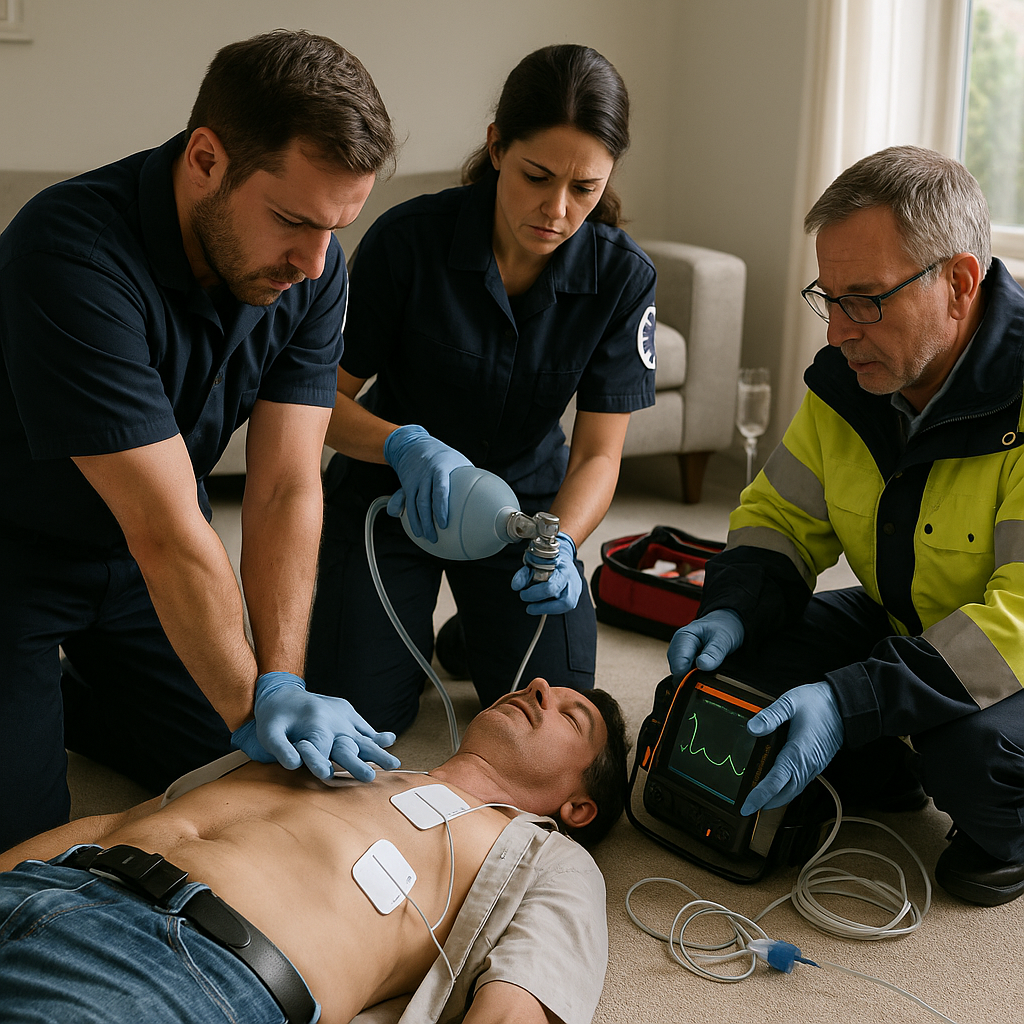
Introduction When cardiac arrest happens, the natural instinct for many providers is to “load and go” — to rush the patient to the hospital, believing that definitive care lies beyond…

Sepsis and septic shock are formidable adversaries in the realm of healthcare, claiming lives globally and imposing a significant burden on medical resources. The critical challenge lies in the timely…