When Experience Turns Into Emotional Detachment
The quiet survival mechanism EMS rarely talks about There is a point in EMS where experience can start to look like coldness. Not because the provider does not care. But…
There’s a version of the story we keep telling in healthcare. “The doctor saved the patient.” It’s neat.It’s structured.It fits into headlines and handovers. But if you’ve ever stood inside…
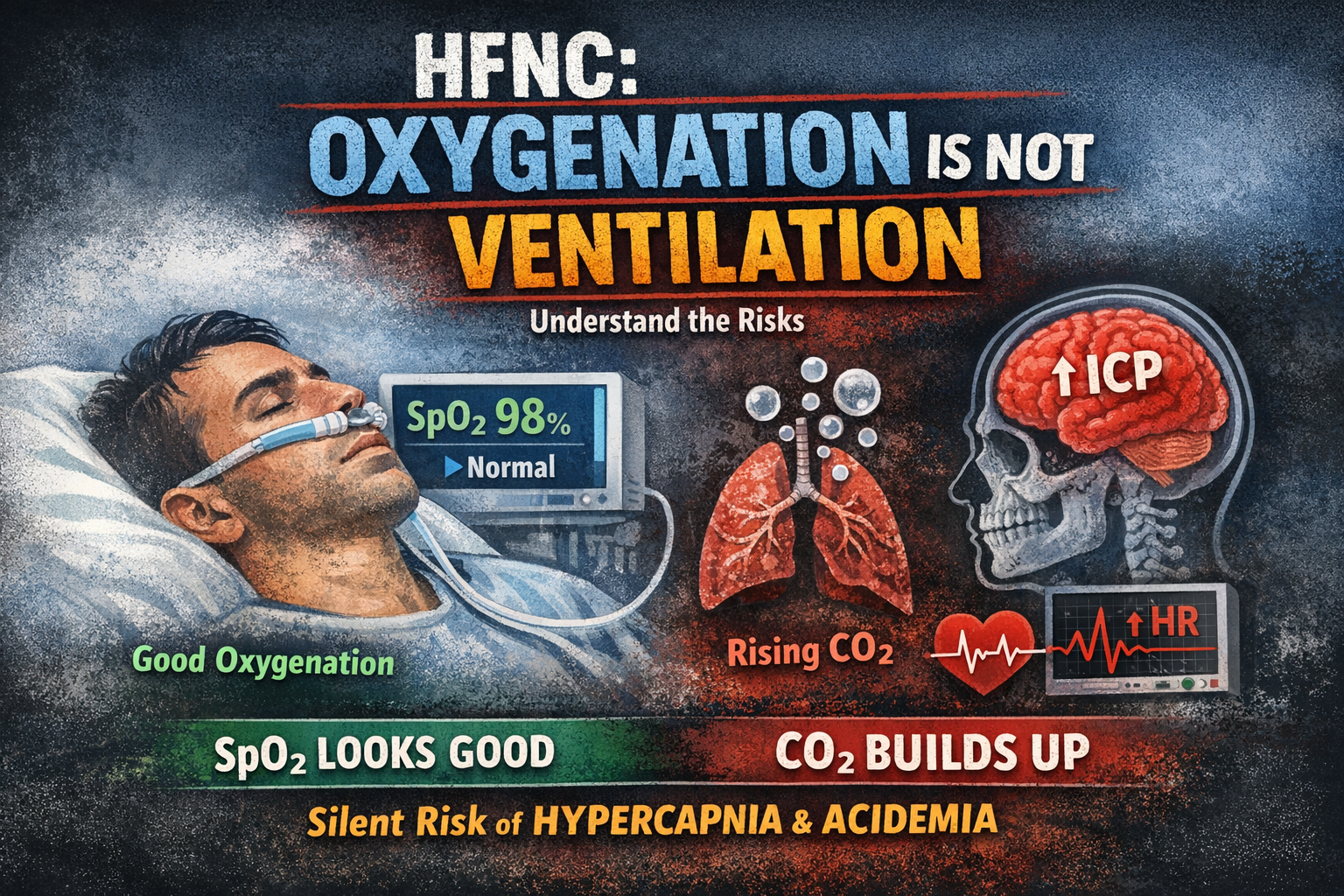
There is a moment most of us recognise, although we rarely say it out loud. You place a patient on high-flow nasal cannula.The respiratory rate slows.The anxiety softens.The oxygen saturation…
Every January, healthcare is flooded with the same tired language: be better, do more, push harder. But for those of us working in emergency departments, ICUs, ambulances, and wards that…
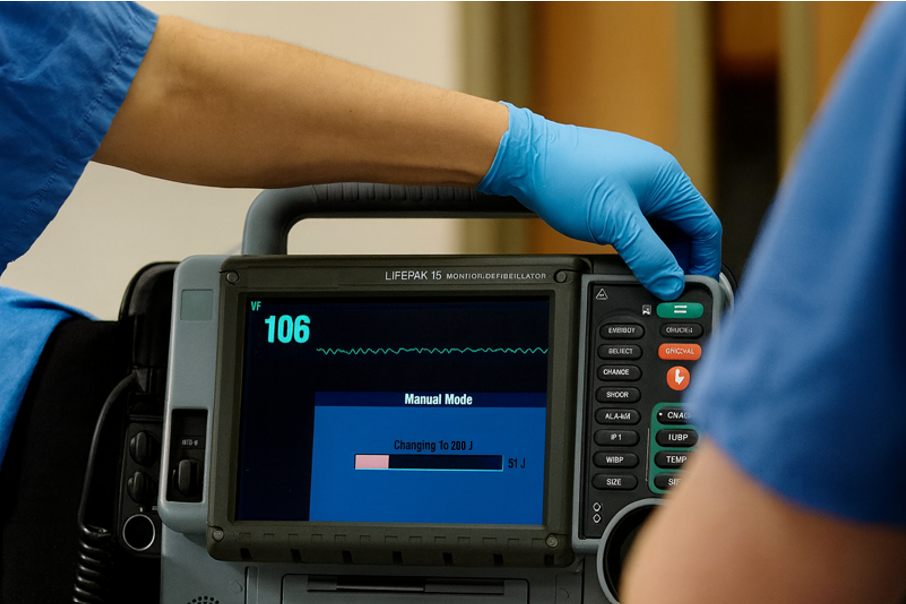
Introduction Shock-refractory ventricular fibrillation (VF) and pulseless ventricular tachycardia (pVT) remain among the most difficult cardiac arrest rhythms to manage. Even with rapid defibrillation and high-quality CPR, some patients simply…
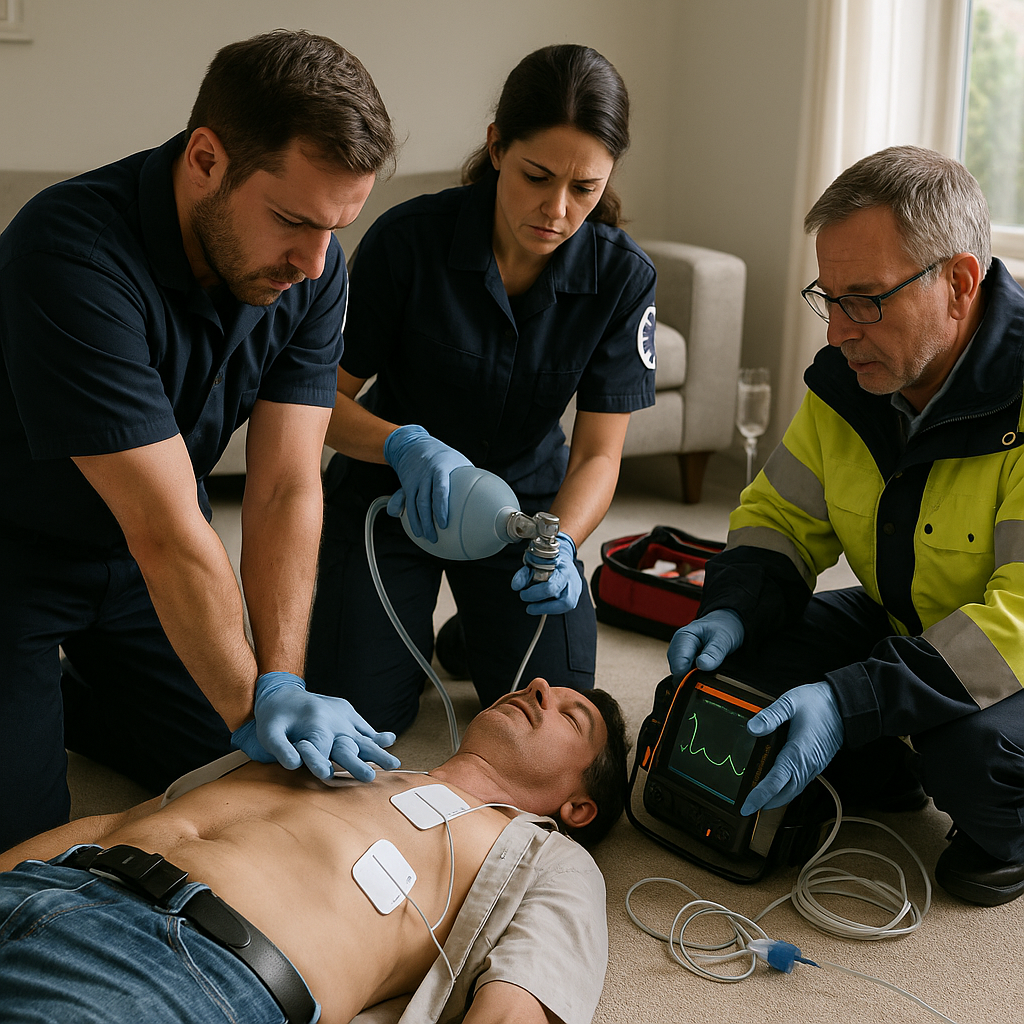
Introduction When cardiac arrest happens, the natural instinct for many providers is to “load and go” — to rush the patient to the hospital, believing that definitive care lies beyond…
In healthcare, we live and breathe data.Heart rates, blood pressures, PaO₂ values, lactate levels, GCS scores—these numbers guide our decisions, inform our treatments, and define our algorithms. They are vital…
Introduction Diabetic Ketoacidosis (DKA) is a life-threatening complication of diabetes mellitus characterized by hyperglycemia, ketonemia, metabolic acidosis, and severe fluid depletion. Despite the acidic pH of 0.9% Sodium Chloride (NaCl)…
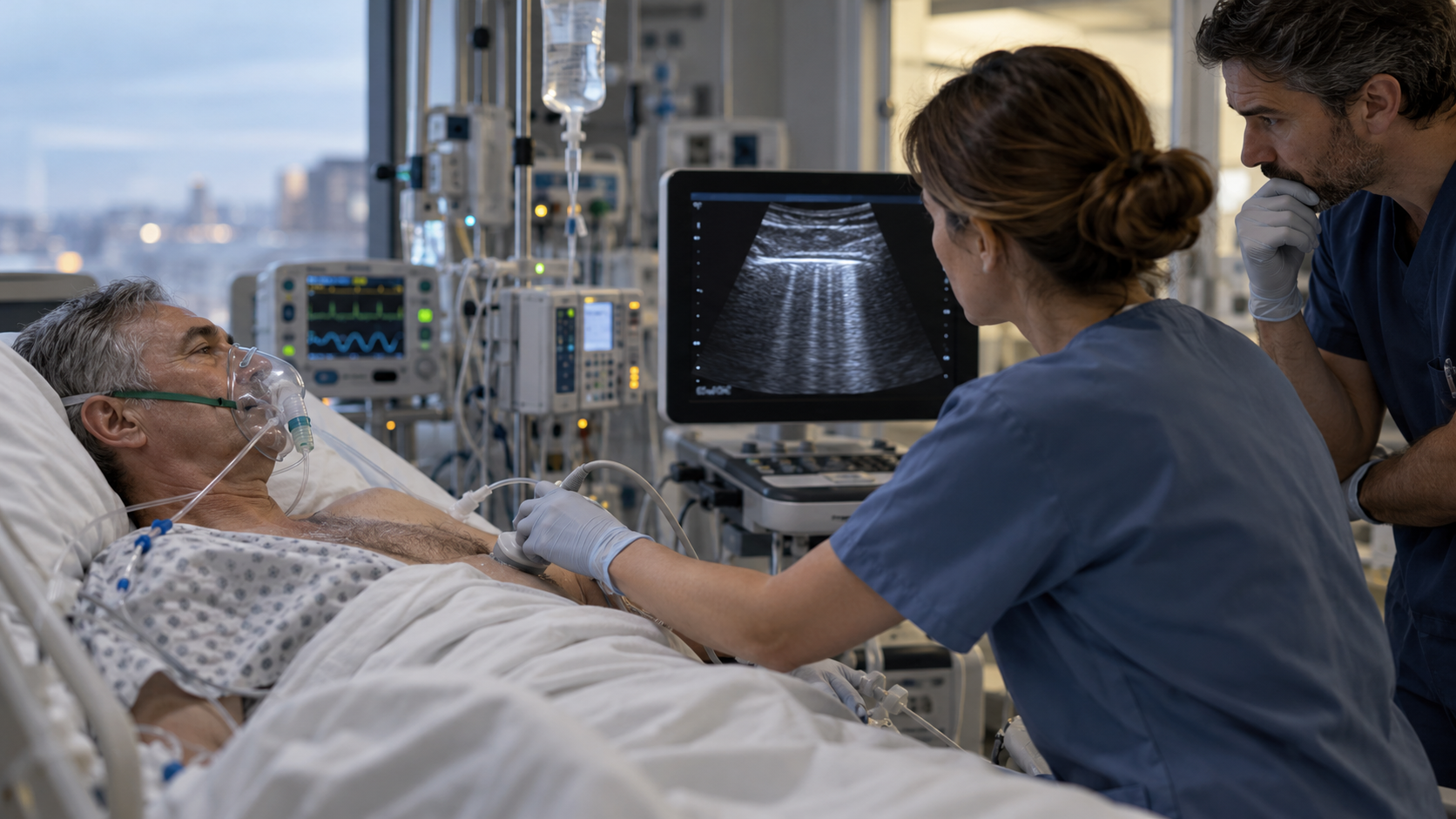
Effective management of ventilated patients requires a deep understanding of the patient's respiratory status beyond what pulse oximetry alone can provide. Hypoxia and hypercarbia are two critical conditions that can…
Acute Respiratory Distress Syndrome (ARDS) remains one of the most challenging and deadly respiratory conditions in critical care, characterized by profound hypoxemia, reduced lung compliance, and bilateral pulmonary infiltrates. It…