
Ventilation. Perfusion. And the Space In Between
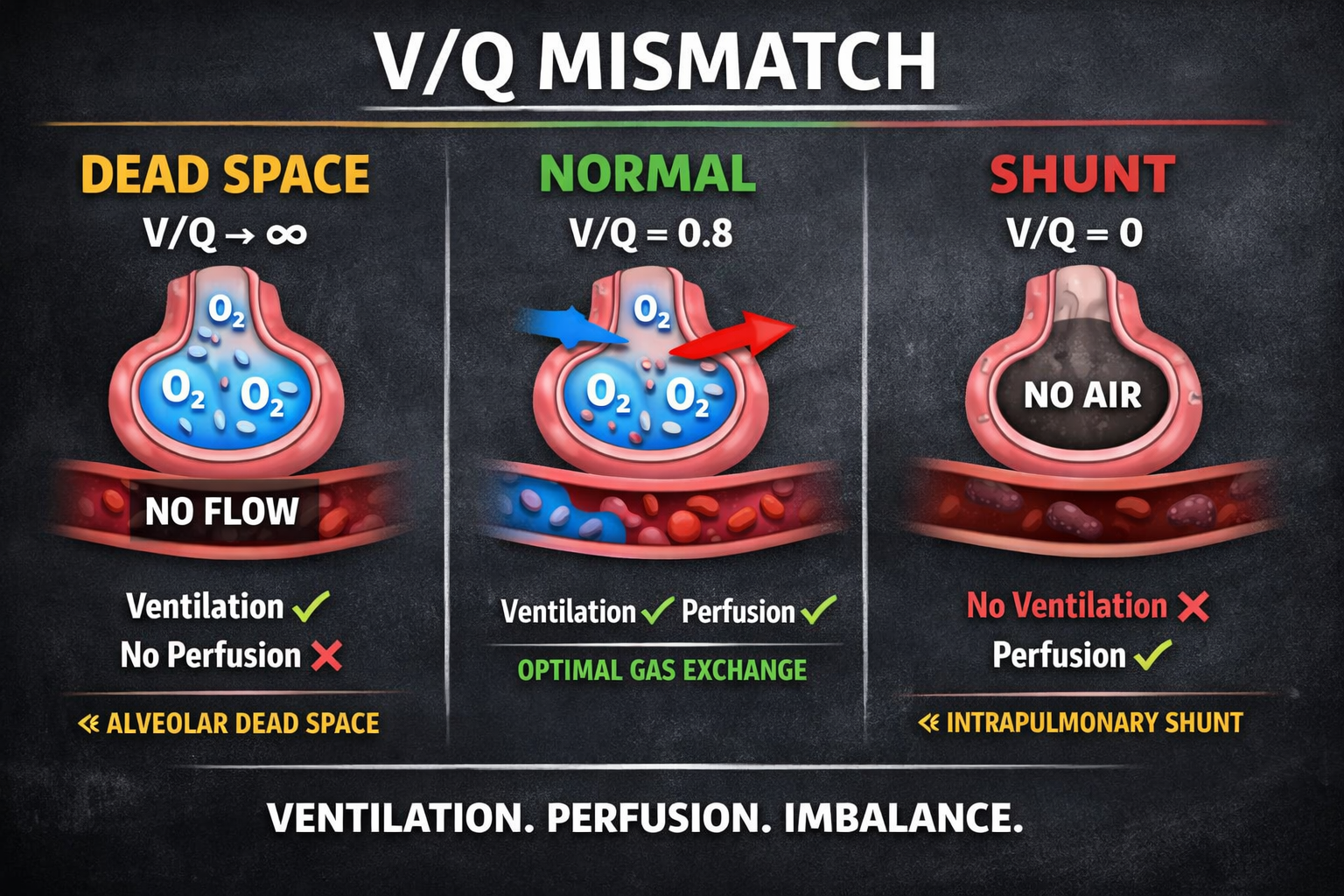
There’s a number we throw around in medicine. 0.8. We say it like it’s fixed. Predictable. Reliable. But it isn’t. That number… is a compromise. And unless you understand why…
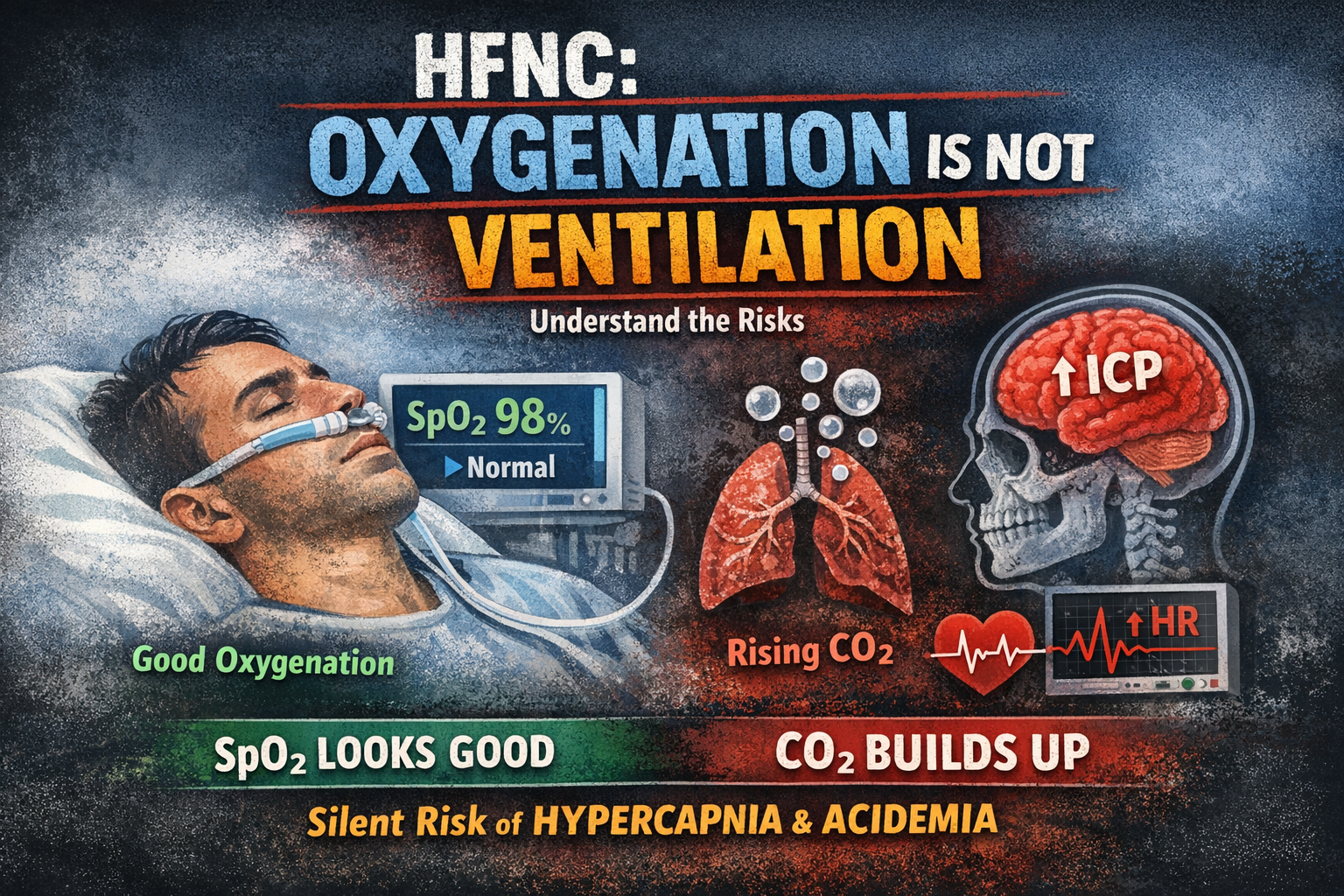
There is a moment most of us recognise, although we rarely say it out loud. You place a patient on high-flow nasal cannula.The respiratory rate slows.The anxiety softens.The oxygen saturation…
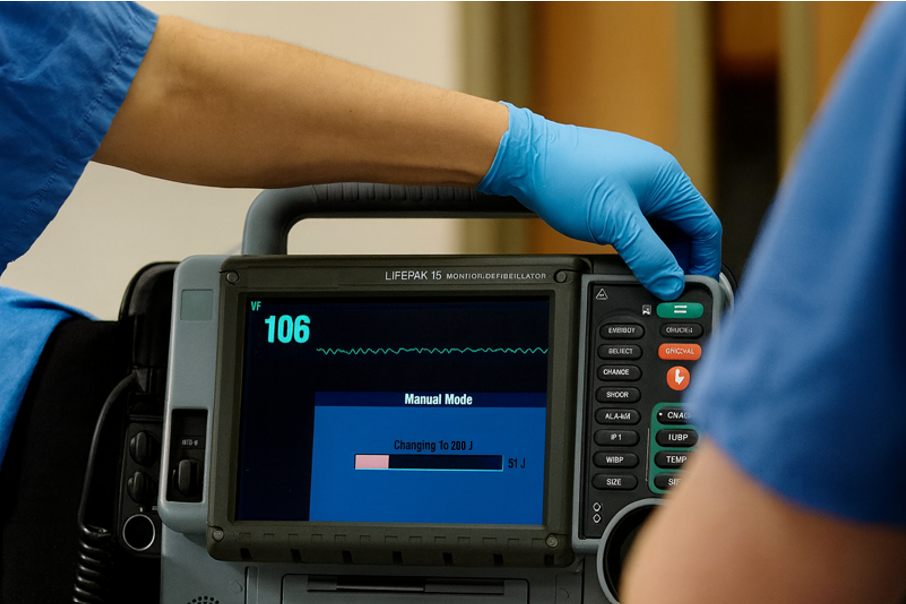
Introduction Shock-refractory ventricular fibrillation (VF) and pulseless ventricular tachycardia (pVT) remain among the most difficult cardiac arrest rhythms to manage. Even with rapid defibrillation and high-quality CPR, some patients simply…
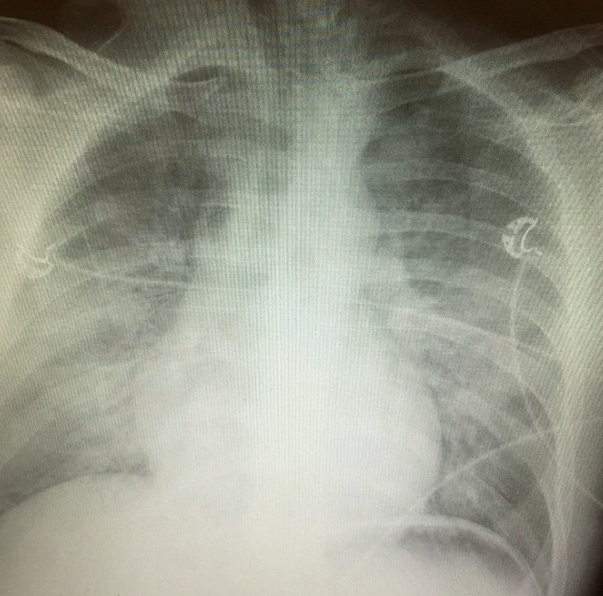
Acute Respiratory Distress Syndrome (ARDS) remains one of the most challenging and deadly respiratory conditions in critical care, characterized by profound hypoxemia, reduced lung compliance, and bilateral pulmonary infiltrates. It…
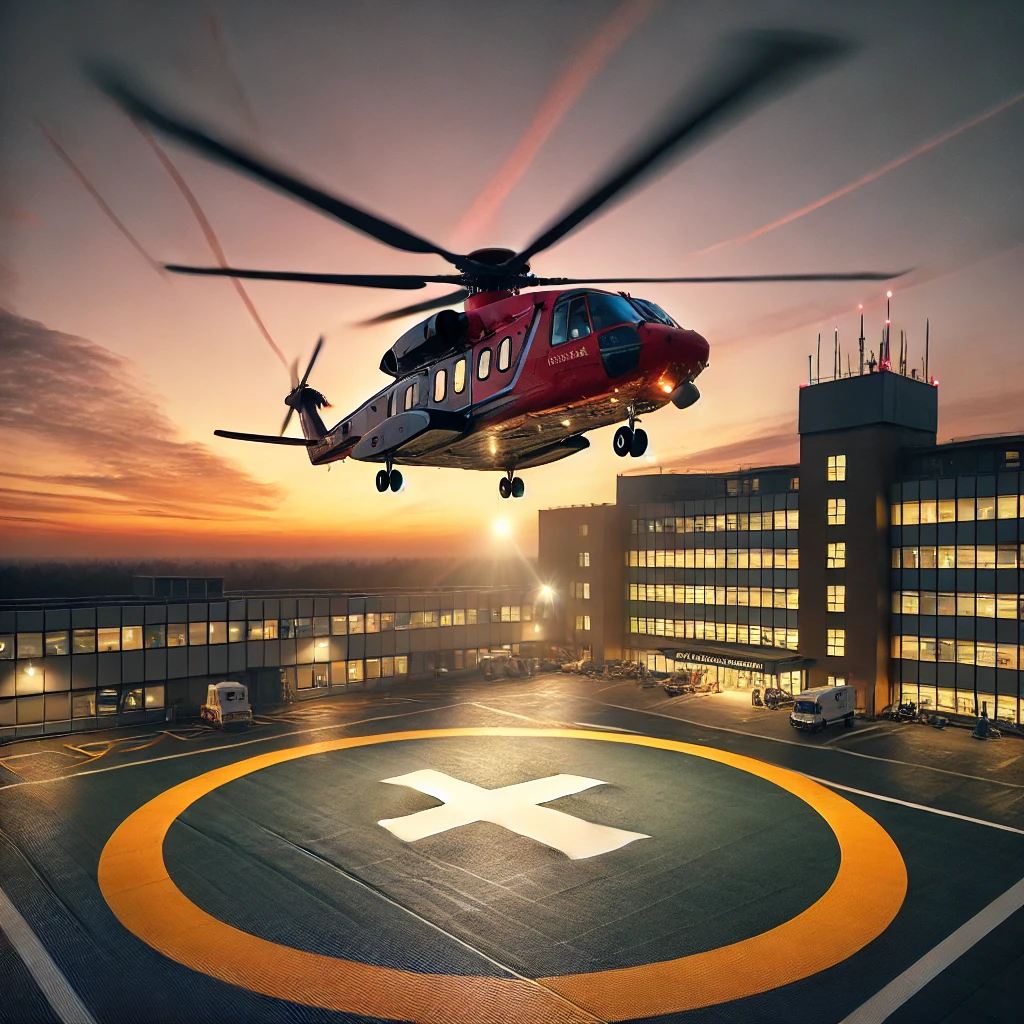
Helicopter Emergency Medical Services (HEMS) provide rapid transport for critically ill and injured patients, often operating under extreme environmental and psychological conditions. The nature of their work—long shifts, unpredictable call…
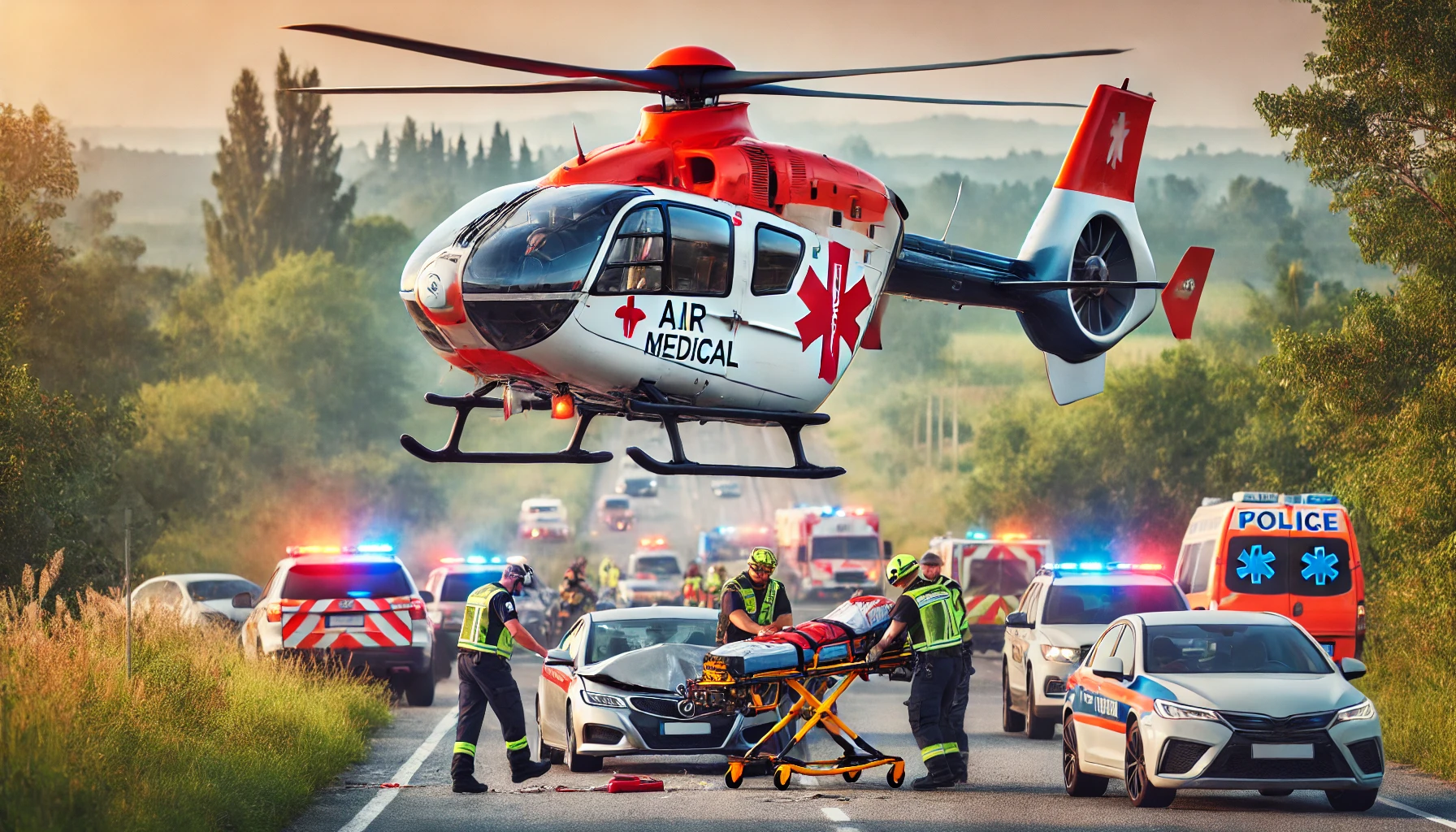
Introduction When a helicopter lands at the scene of an accident, the environment is often chaotic and unpredictable. Unlike pre-established landing zones, these temporary landing sites lack prior inspection, presenting…
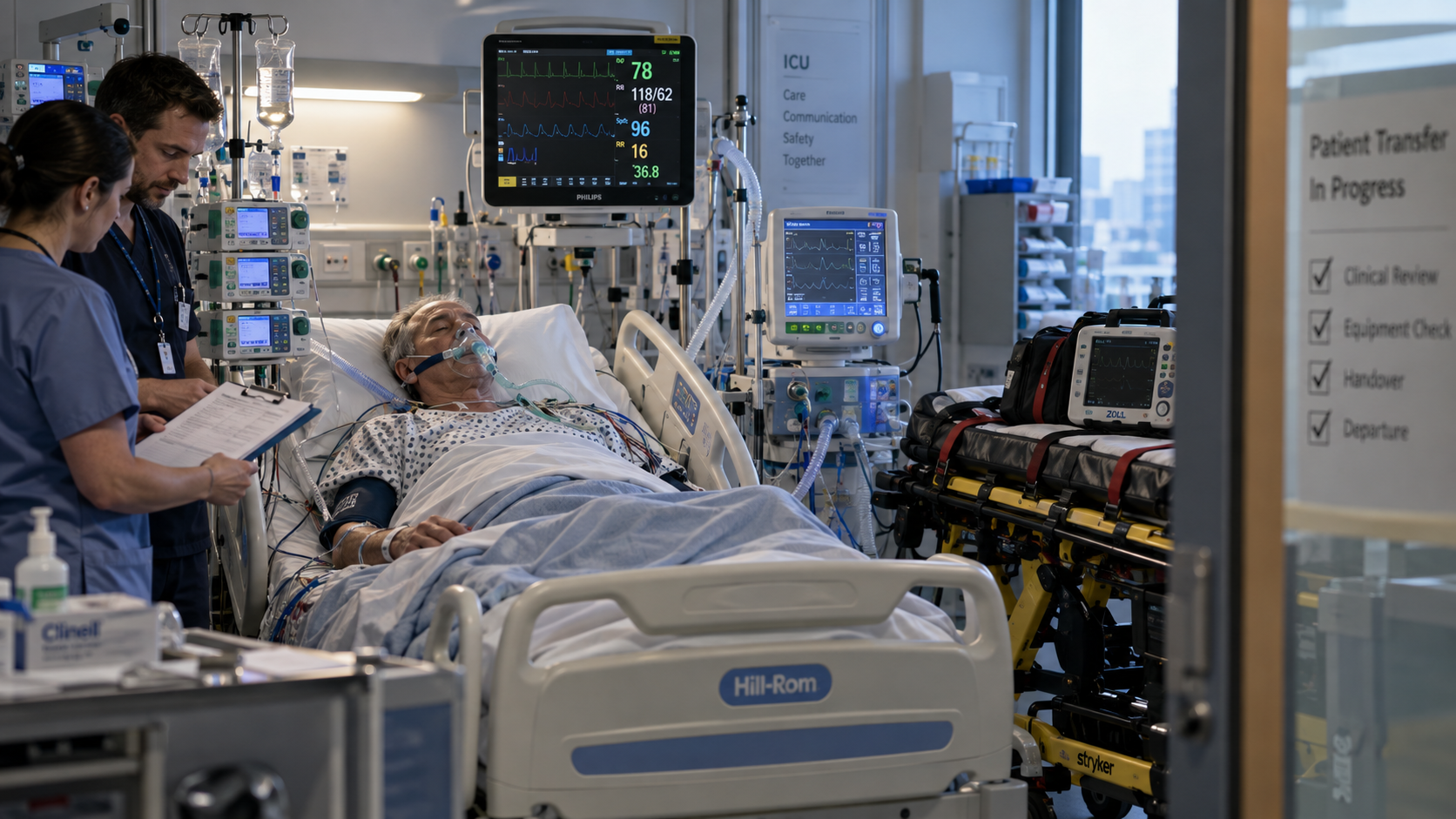
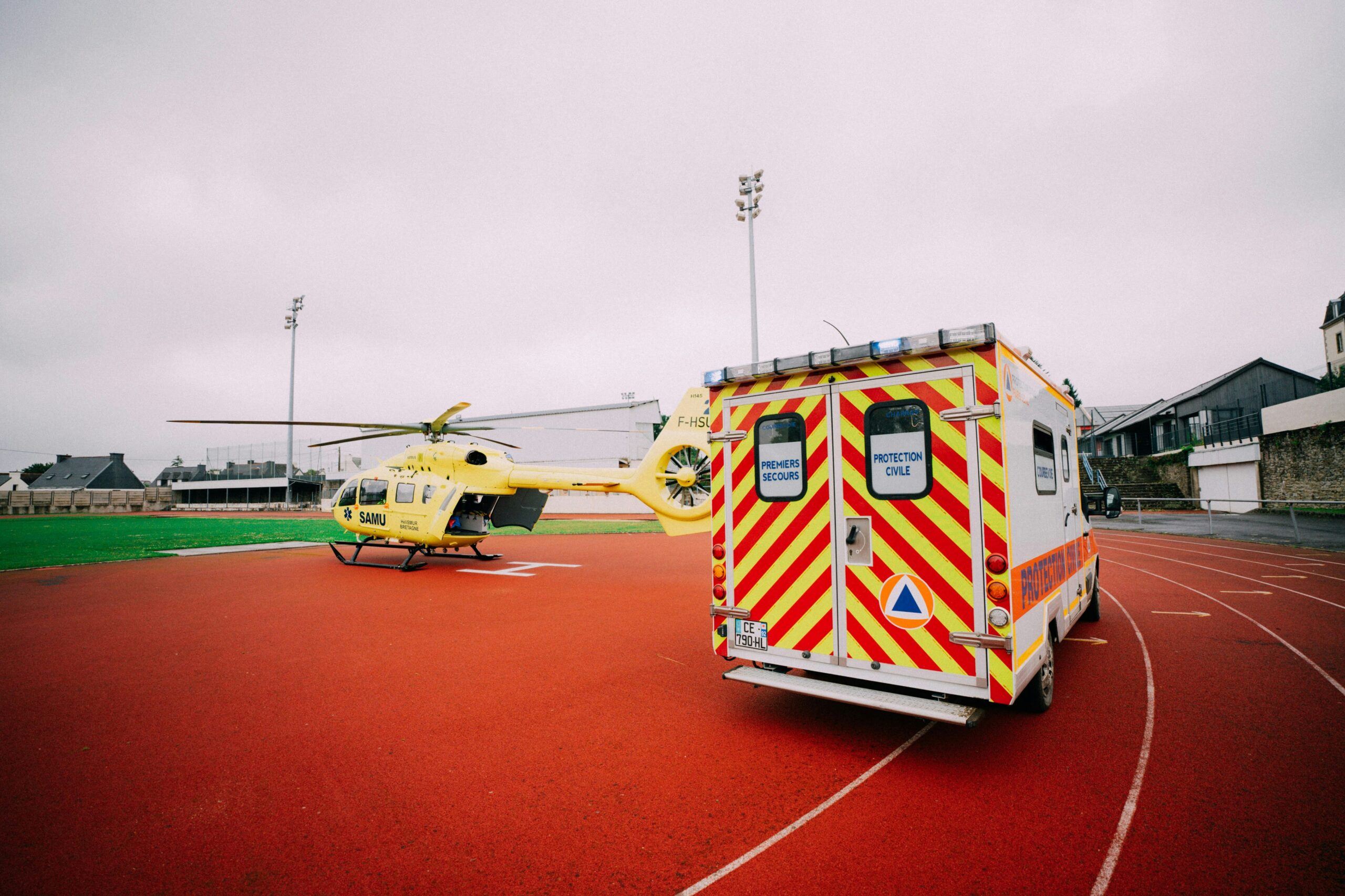
Recognizing the Challenge In the intricate landscape of healthcare, the swift and efficient transport of critically ill patients is often the pivotal link between survival and tragedy. As we navigate…