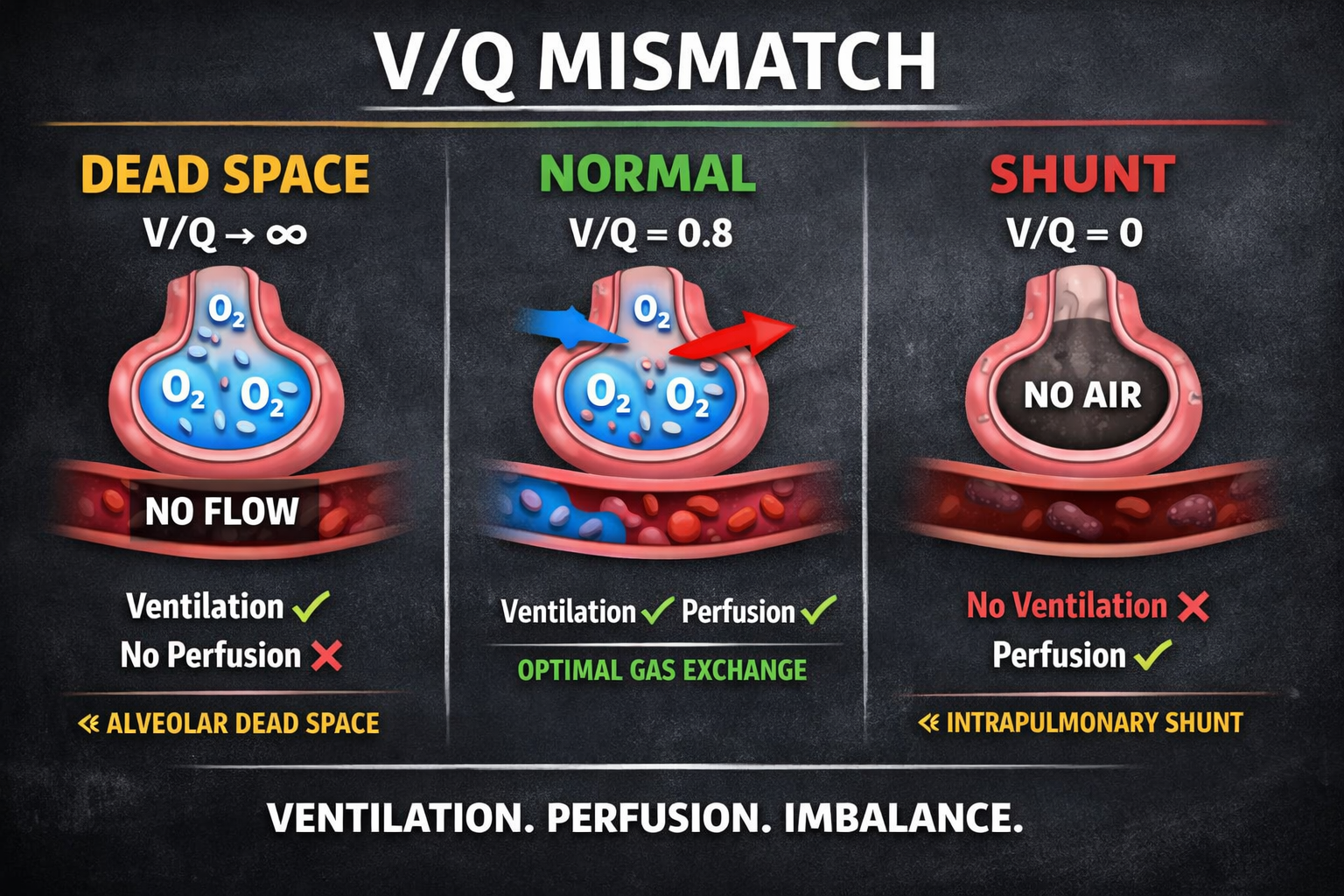
Ventilation. Perfusion. And the Space In Between
There’s a number we throw around in medicine. 0.8. We say it like it’s fixed. Predictable. Reliable. But it isn’t. That number… is a compromise. And unless you understand why…

There’s a number we throw around in medicine. 0.8. We say it like it’s fixed. Predictable. Reliable. But it isn’t. That number… is a compromise. And unless you understand why…
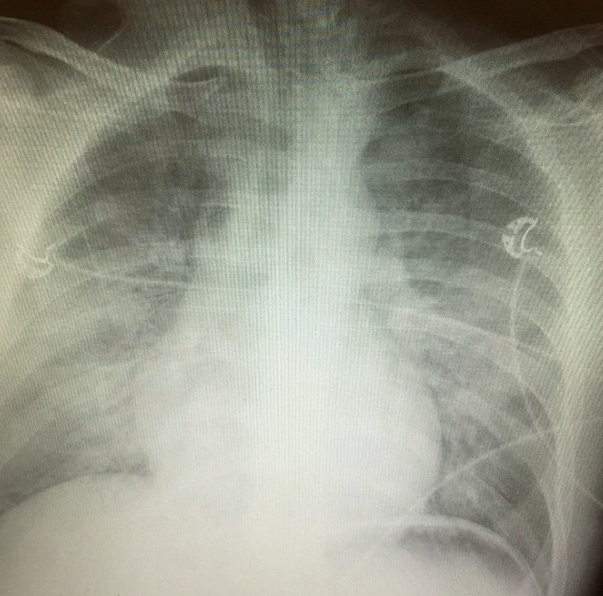
Acute Respiratory Distress Syndrome (ARDS) remains one of the most challenging and deadly respiratory conditions in critical care, characterized by profound hypoxemia, reduced lung compliance, and bilateral pulmonary infiltrates. It…
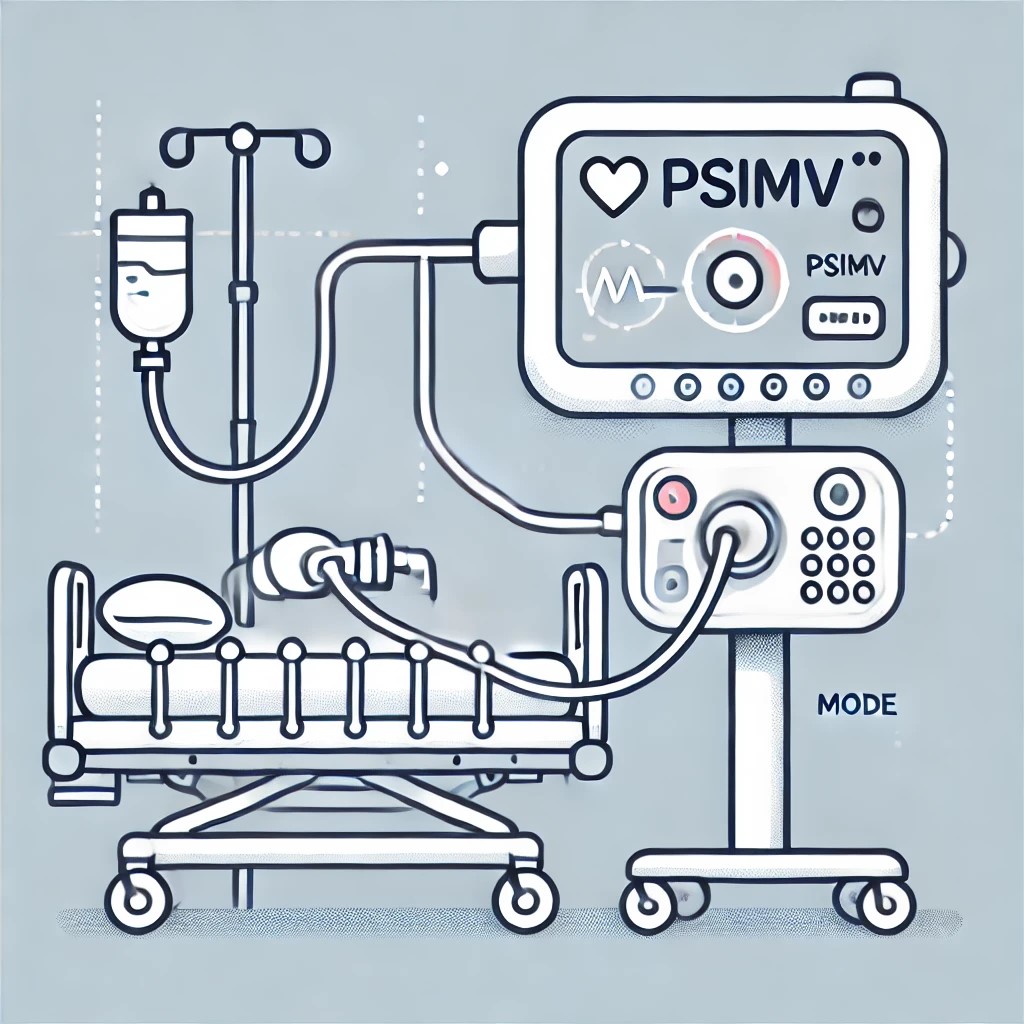
Introduction Mechanical ventilation has seen significant advancements over the years, with the introduction of various modes tailored to meet the diverse needs of patients. One such innovative mode that has…

Introduction Mechanical ventilation is a critical intervention for patients in respiratory distress, but the process of weaning off the ventilator can present numerous challenges. One aspect that is often overlooked…
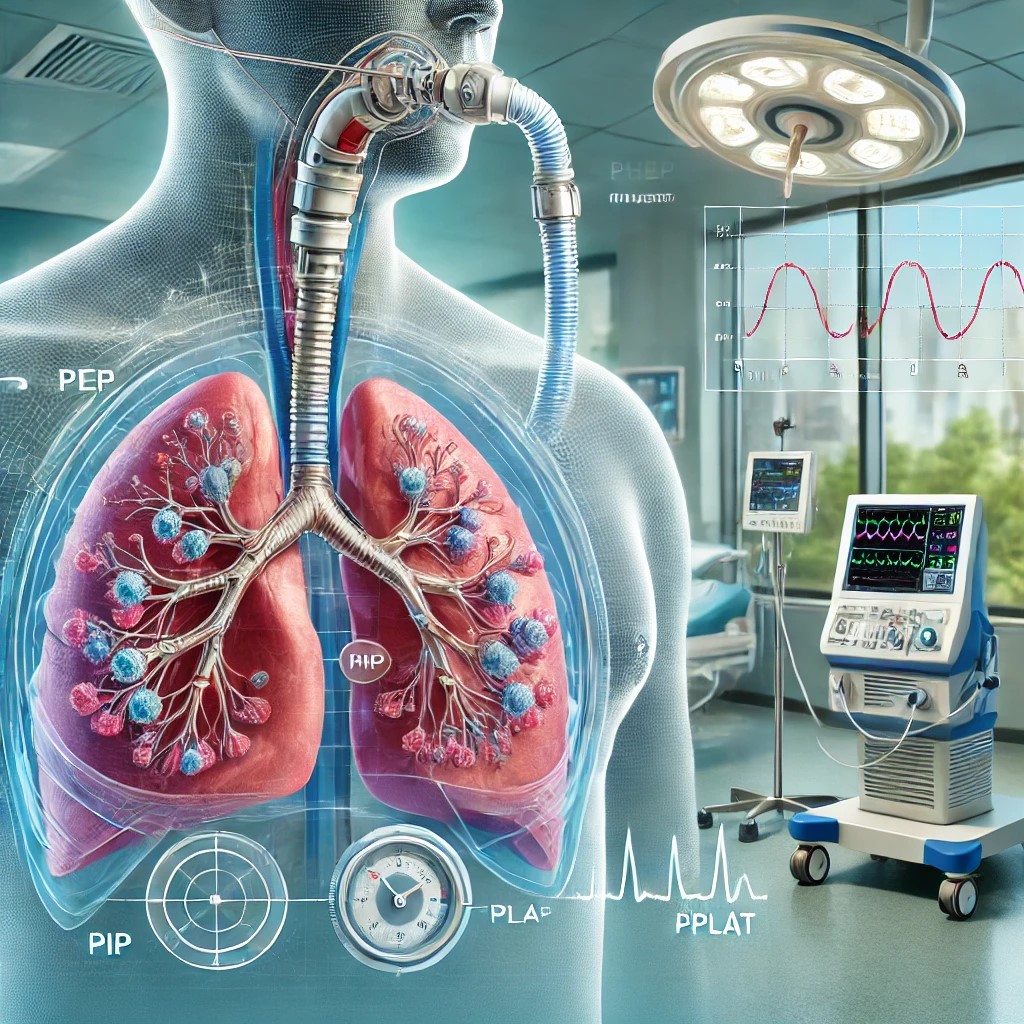
Introduction Mechanical ventilation is a critical life-saving intervention used in various medical settings to support patients who are unable to breathe adequately on their own. Central to its effectiveness are…
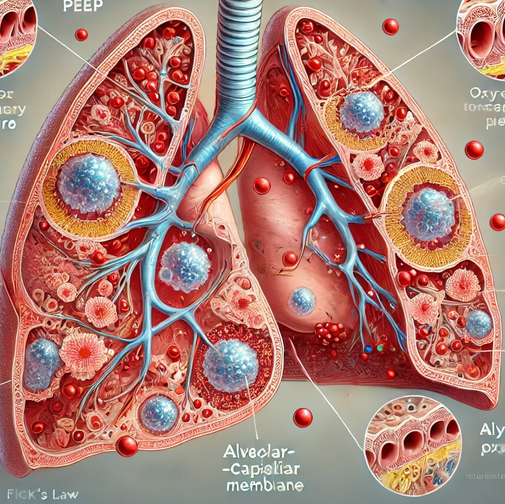
Introduction Positive End-Expiratory Pressure (PEEP) is a cornerstone in the management of patients requiring mechanical ventilation, especially in cases of Acute Respiratory Distress Syndrome (ARDS) and other forms of respiratory…
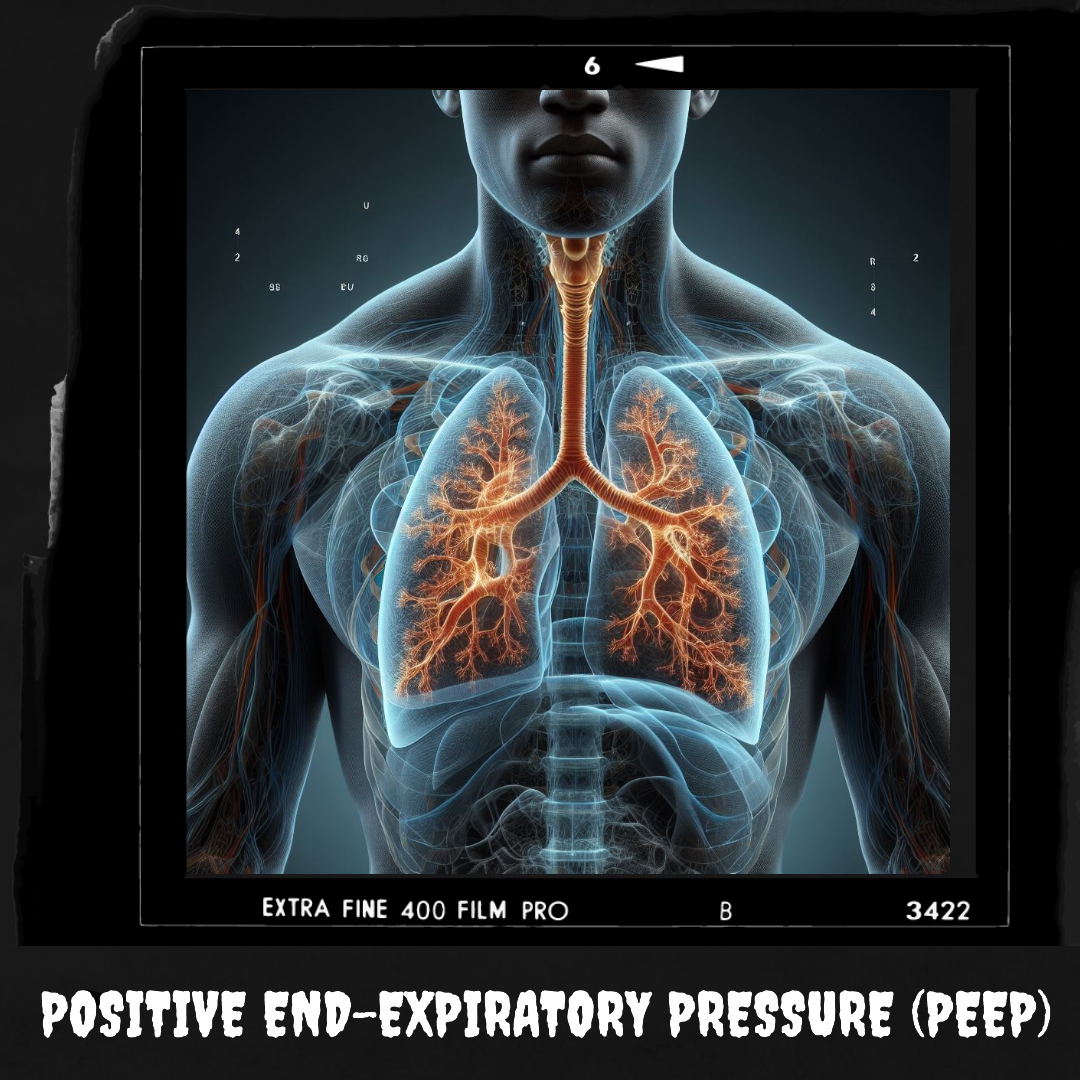
In the pre-hospital environment, paramedics often face the challenging task of managing a patient's airway under less-than-ideal conditions. Among the various tools at their disposal, the bag-valve-mask (BVM) connected to…
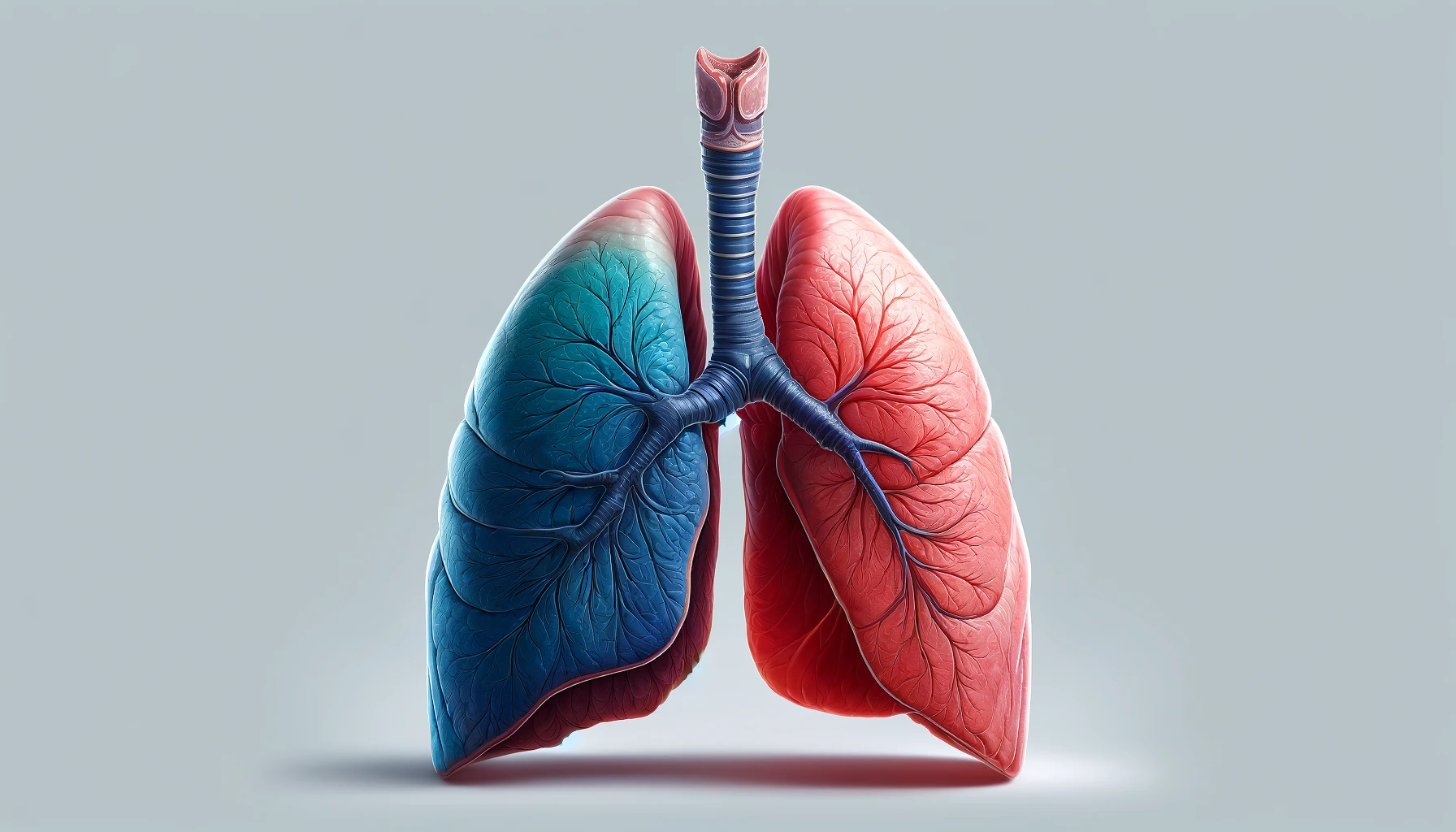
Respiratory failure is a critical condition where the respiratory system fails to maintain adequate gas exchange, resulting in hypoxemia (low blood oxygen) or hypercapnia (high blood carbon dioxide). As frontline…