
A Stable Handover Can Hide an Unstable Transport
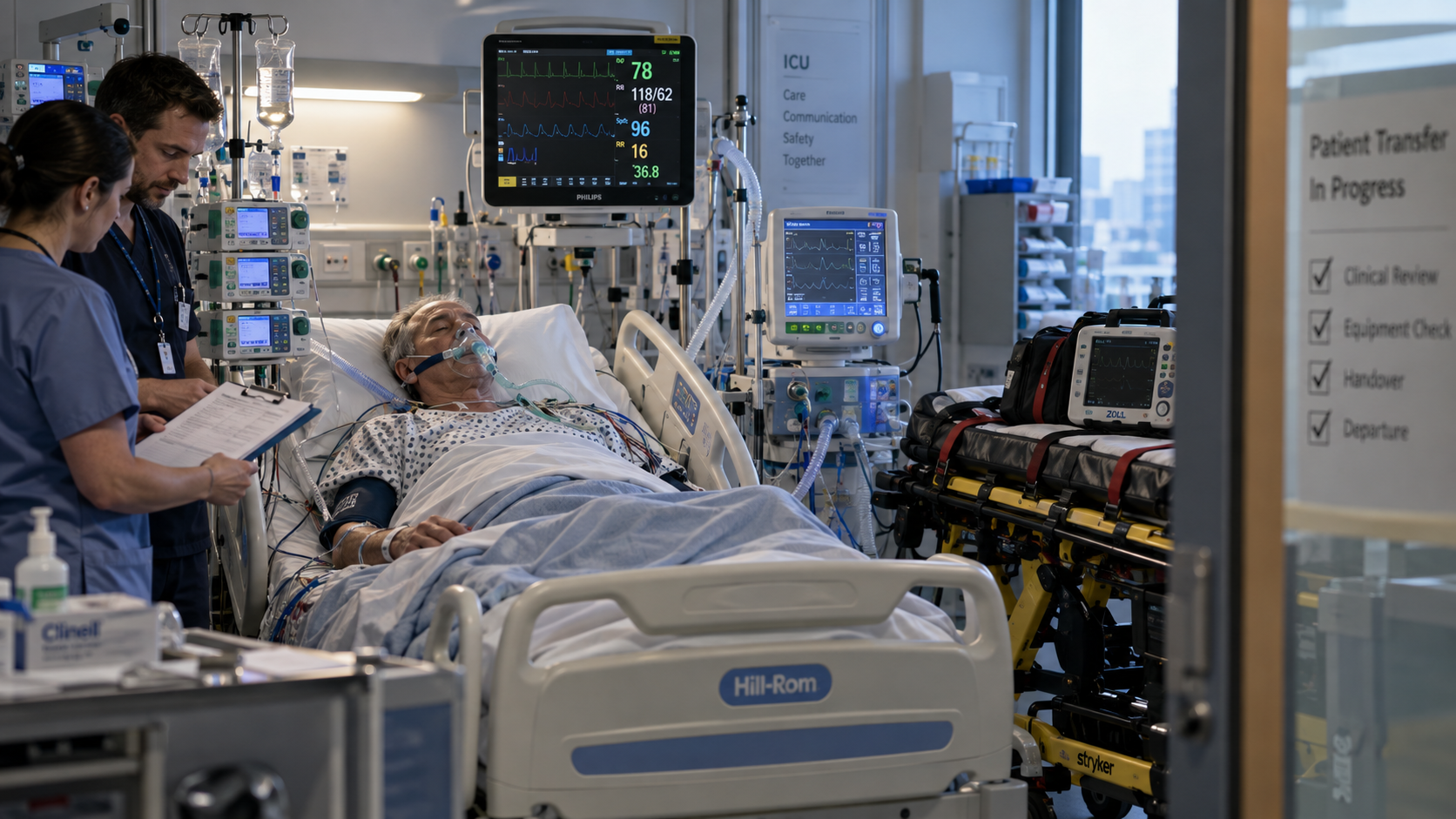
The patient is awake. The blood pressure is acceptable. The oxygen saturation looks good. The monitor is quiet. The sending team describes them as “stable for transfer.” And yet, sometime…
For decades, pediatric resuscitation has taught us that when a child becomes bradycardic with poor perfusion and requires CPR, arrest-dose epinephrine is the natural next step. It’s a familiar reflex.…
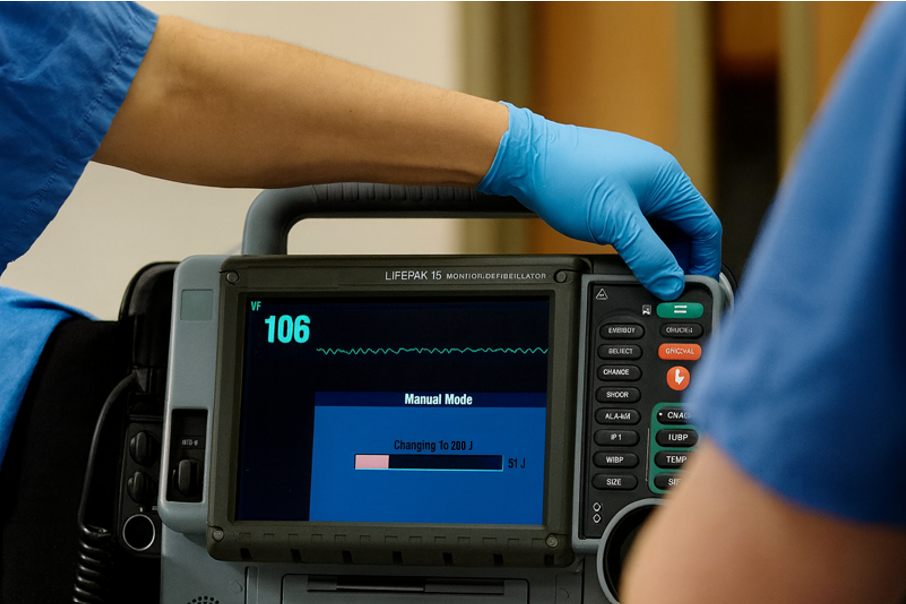
Introduction Shock-refractory ventricular fibrillation (VF) and pulseless ventricular tachycardia (pVT) remain among the most difficult cardiac arrest rhythms to manage. Even with rapid defibrillation and high-quality CPR, some patients simply…
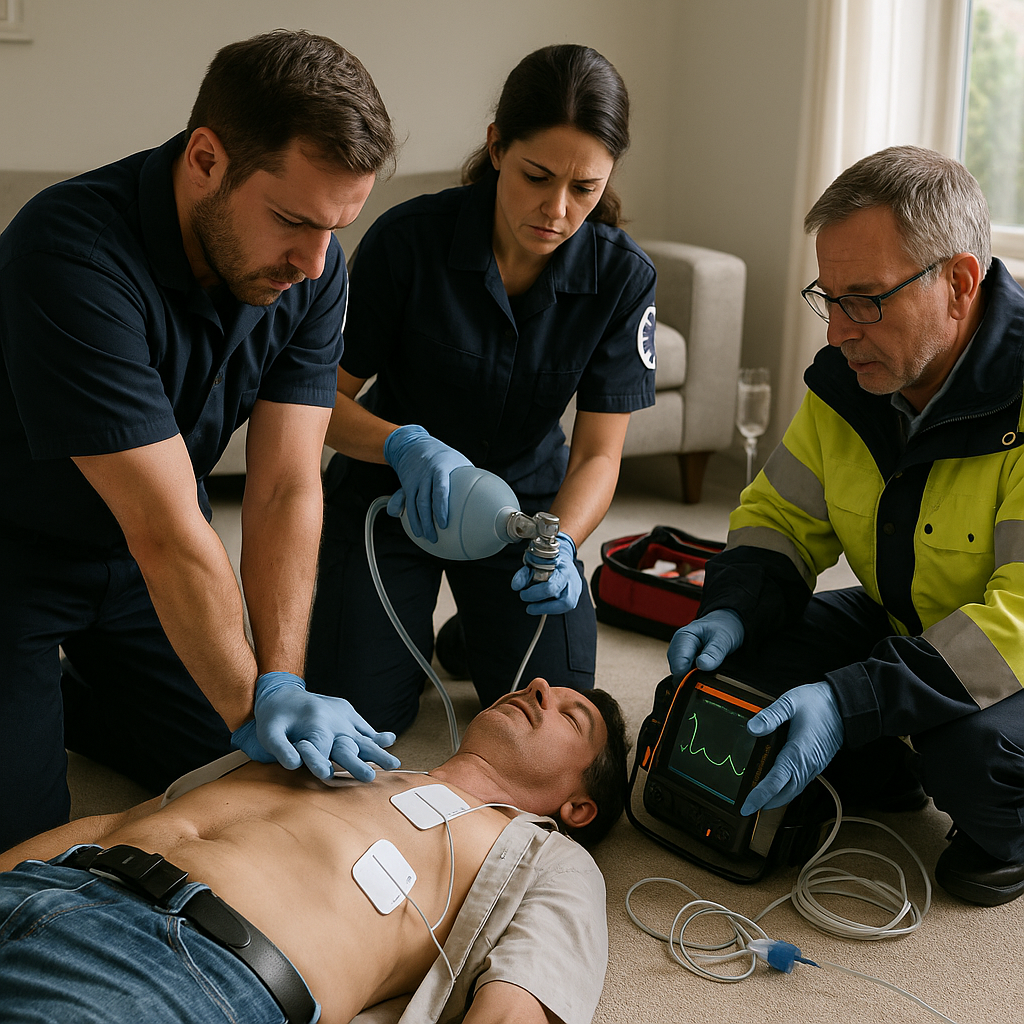
Introduction When cardiac arrest happens, the natural instinct for many providers is to “load and go” — to rush the patient to the hospital, believing that definitive care lies beyond…
Introduction Diabetic Ketoacidosis (DKA) is a life-threatening complication of diabetes mellitus characterized by hyperglycemia, ketonemia, metabolic acidosis, and severe fluid depletion. Despite the acidic pH of 0.9% Sodium Chloride (NaCl)…
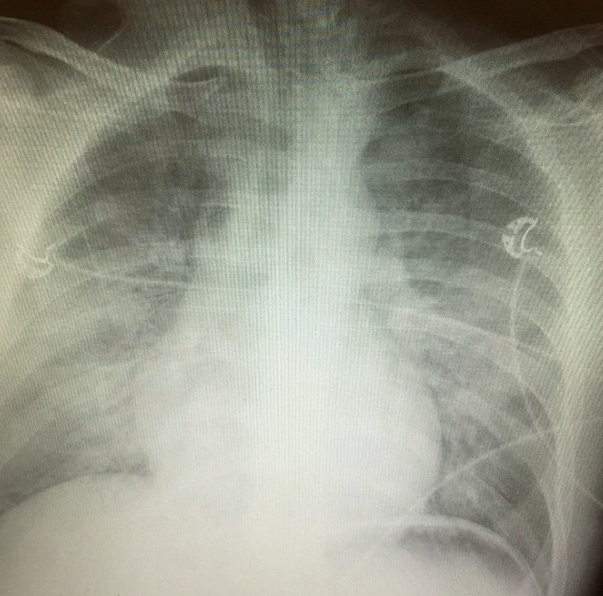
Acute Respiratory Distress Syndrome (ARDS) remains one of the most challenging and deadly respiratory conditions in critical care, characterized by profound hypoxemia, reduced lung compliance, and bilateral pulmonary infiltrates. It…
Narcan is a cornerstone in the treatment of opioid overdose. It reverses life-threatening respiratory depression, restores consciousness, and often brings dramatic results. But in some cases, this abrupt reversal can…