
When Experience Turns Into Emotional Detachment
The quiet survival mechanism EMS rarely talks about There is a point in EMS where experience can start to look like coldness. Not because the provider does not care. But…
The quiet survival mechanism EMS rarely talks about There is a point in EMS where experience can start to look like coldness. Not because the provider does not care. But…

Effective management of ventilated patients requires a deep understanding of the patient's respiratory status beyond what pulse oximetry alone can provide. Hypoxia and hypercarbia are two critical conditions that can…

Wolff-Parkinson-White (WPW) Syndrome is a rhythm disturbance that hides in plain sight—calm one minute, catastrophic the next. While it's relatively rare, it carries the potential for lethal arrhythmias if misdiagnosed…
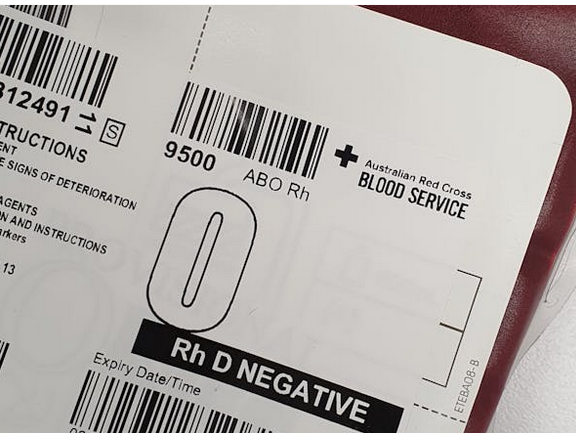
Introduction Hemorrhagic shock is a life-threatening condition that remains a leading cause of preventable deaths in trauma patients, particularly in the prehospital setting (1). Defined by a critical loss of…
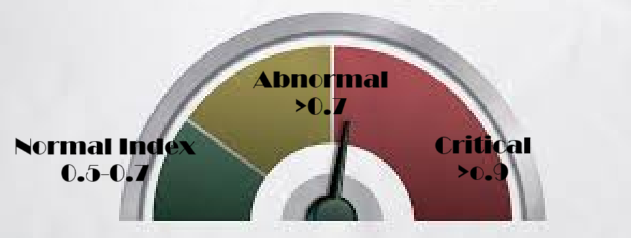
What is the Shock Index? The Shock Index (SI) is a simple, quick, and valuable tool used by healthcare professionals, especially in emergency and critical care settings, to assess the…
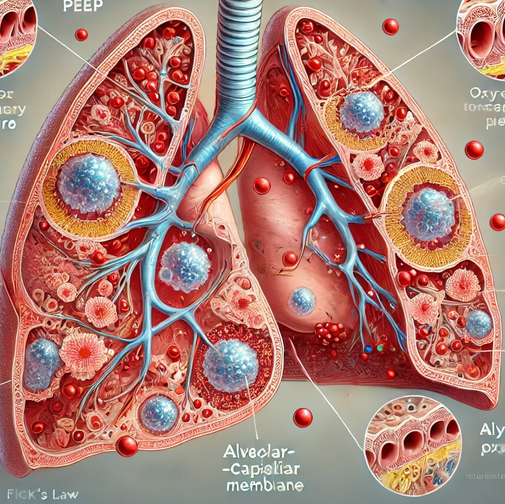
Introduction Positive End-Expiratory Pressure (PEEP) is a cornerstone in the management of patients requiring mechanical ventilation, especially in cases of Acute Respiratory Distress Syndrome (ARDS) and other forms of respiratory…

Introduction Hospital-acquired pneumonia (HAP) remains a significant concern in healthcare settings, especially among critically ill patients. It is defined as pneumonia that occurs 48 hours or more after admission, which…
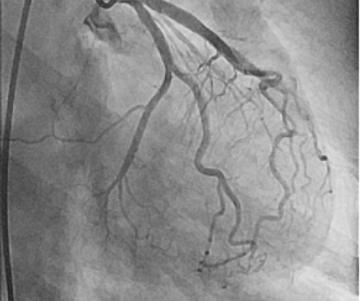
The transfer of patients with a suspected myocardial infarction (MI) from hospitals without catheterization laboratories (cath labs) to those equipped with such facilities is a critical process that demands precise…
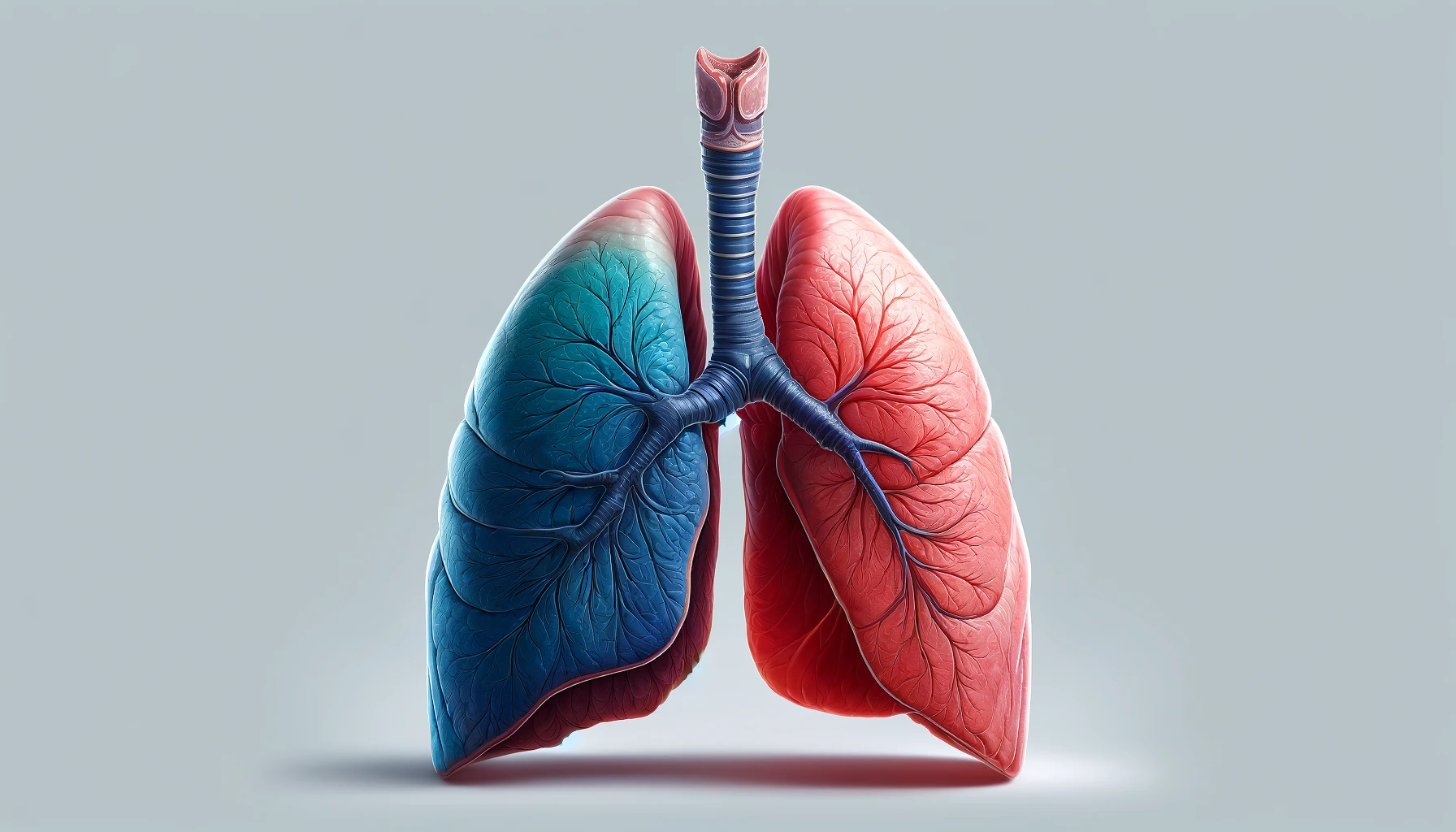
Respiratory failure is a critical condition where the respiratory system fails to maintain adequate gas exchange, resulting in hypoxemia (low blood oxygen) or hypercapnia (high blood carbon dioxide). As frontline…
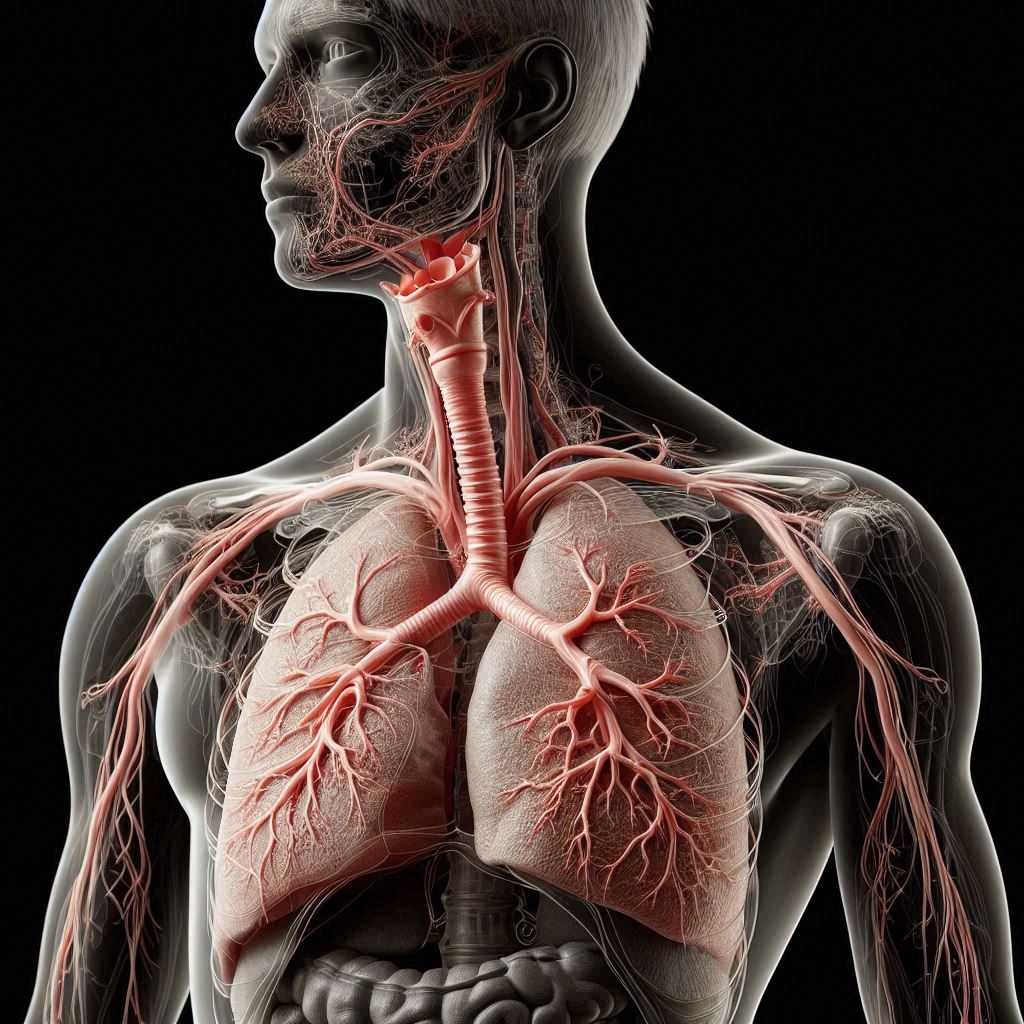
In the field of Critical Care, the ventilation/perfusion (V/Q) ratio is a fundamental concept that reflects the efficiency and effectiveness of gas exchange in the lungs. This ratio is crucial…