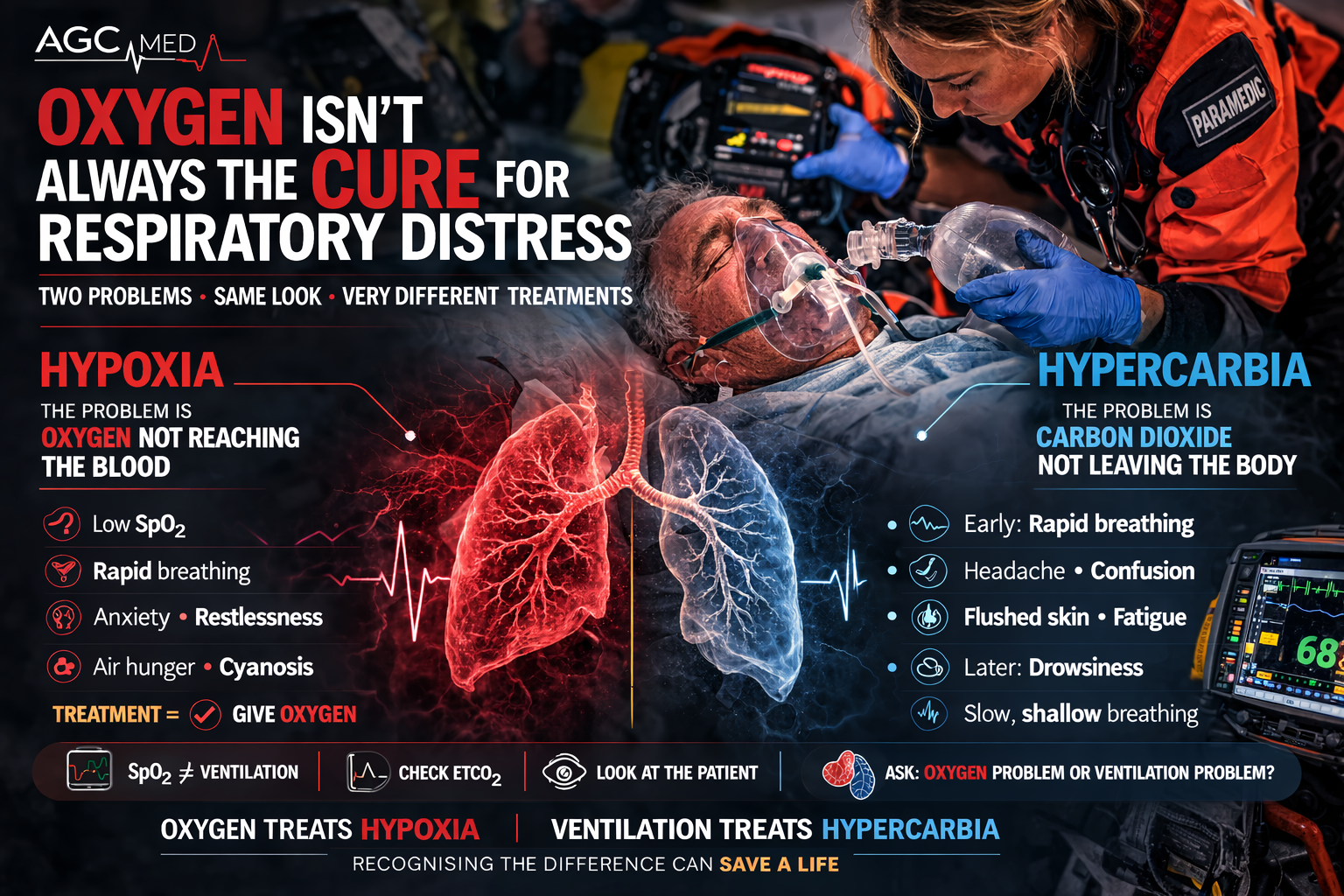
Oxygen Isn’t Always the Cure for Respiratory Distress
The Two Problems That Look the Same — But Aren’t There is a moment in clinical medicine that almost every provider recognizes. The patient is struggling to breathe. Their chest…
The Two Problems That Look the Same — But Aren’t There is a moment in clinical medicine that almost every provider recognizes. The patient is struggling to breathe. Their chest…
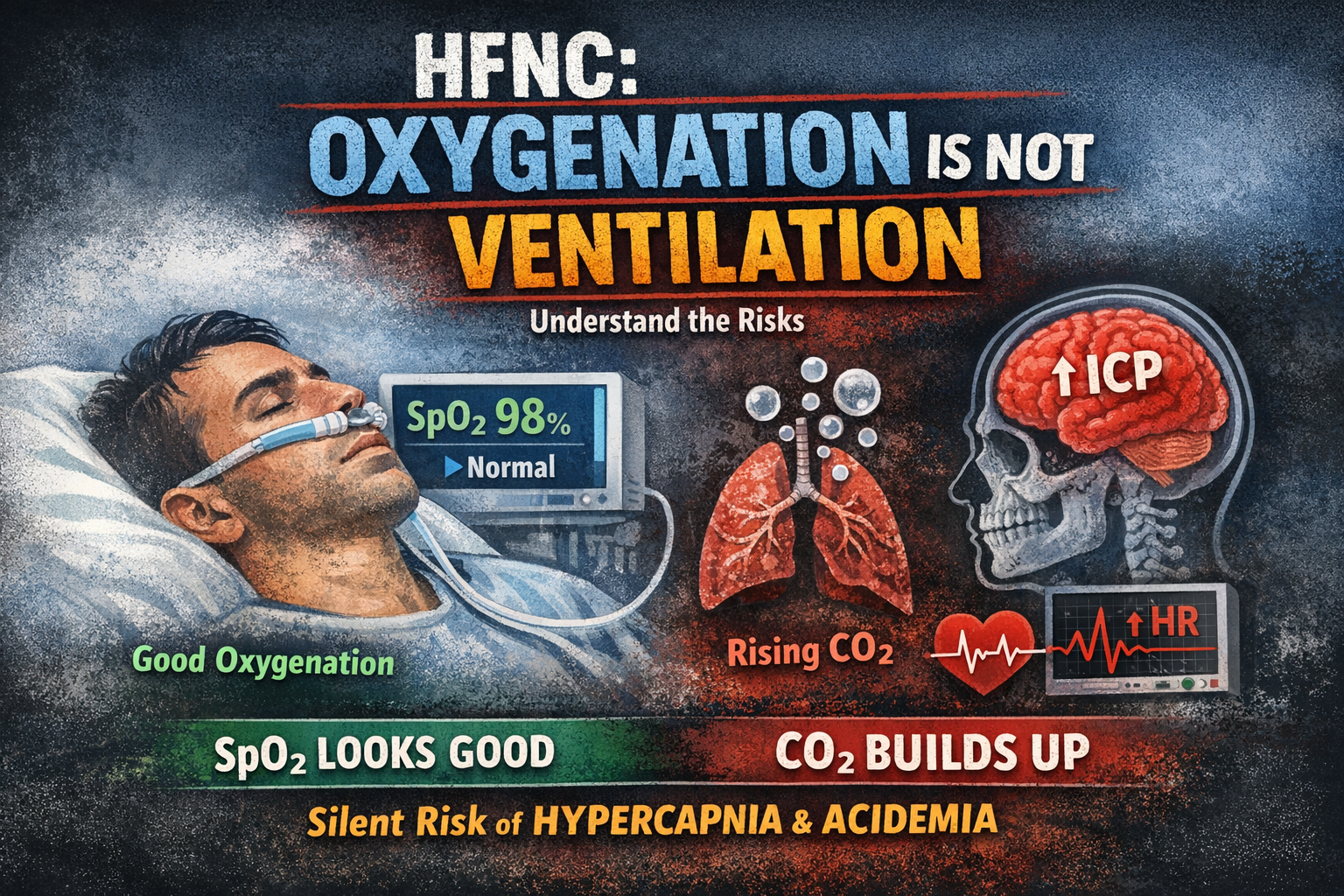
There is a moment most of us recognise, although we rarely say it out loud. You place a patient on high-flow nasal cannula.The respiratory rate slows.The anxiety softens.The oxygen saturation…

Effective management of ventilated patients requires a deep understanding of the patient's respiratory status beyond what pulse oximetry alone can provide. Hypoxia and hypercarbia are two critical conditions that can…
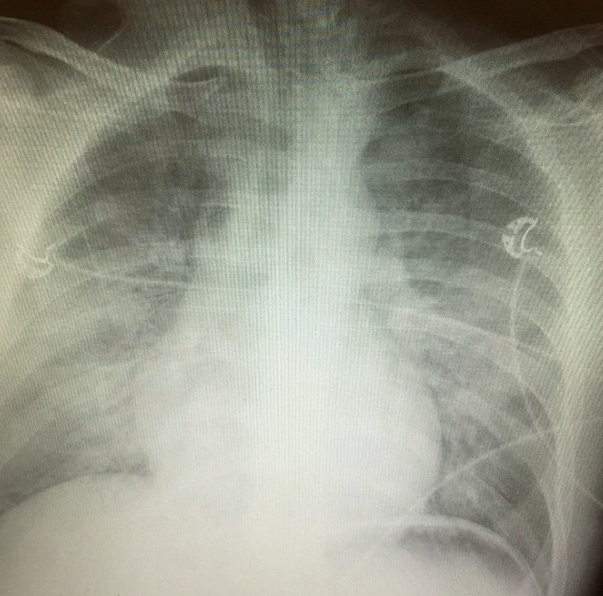
Acute Respiratory Distress Syndrome (ARDS) remains one of the most challenging and deadly respiratory conditions in critical care, characterized by profound hypoxemia, reduced lung compliance, and bilateral pulmonary infiltrates. It…
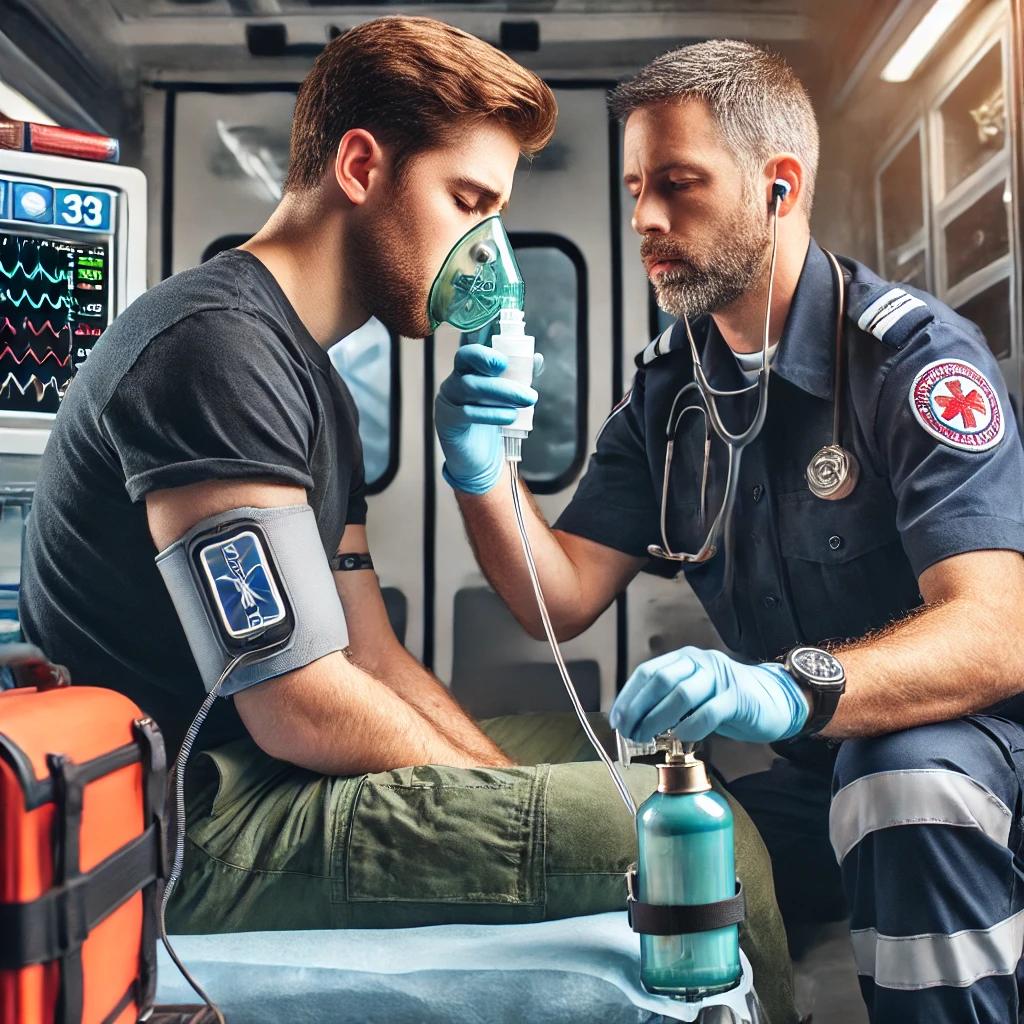
Understanding Asthma Asthma is a chronic respiratory condition characterized by episodes of reversible airway obstruction, bronchospasm, and inflammation[^1^]. These episodes, known as asthma attacks or exacerbations, can range from mild…
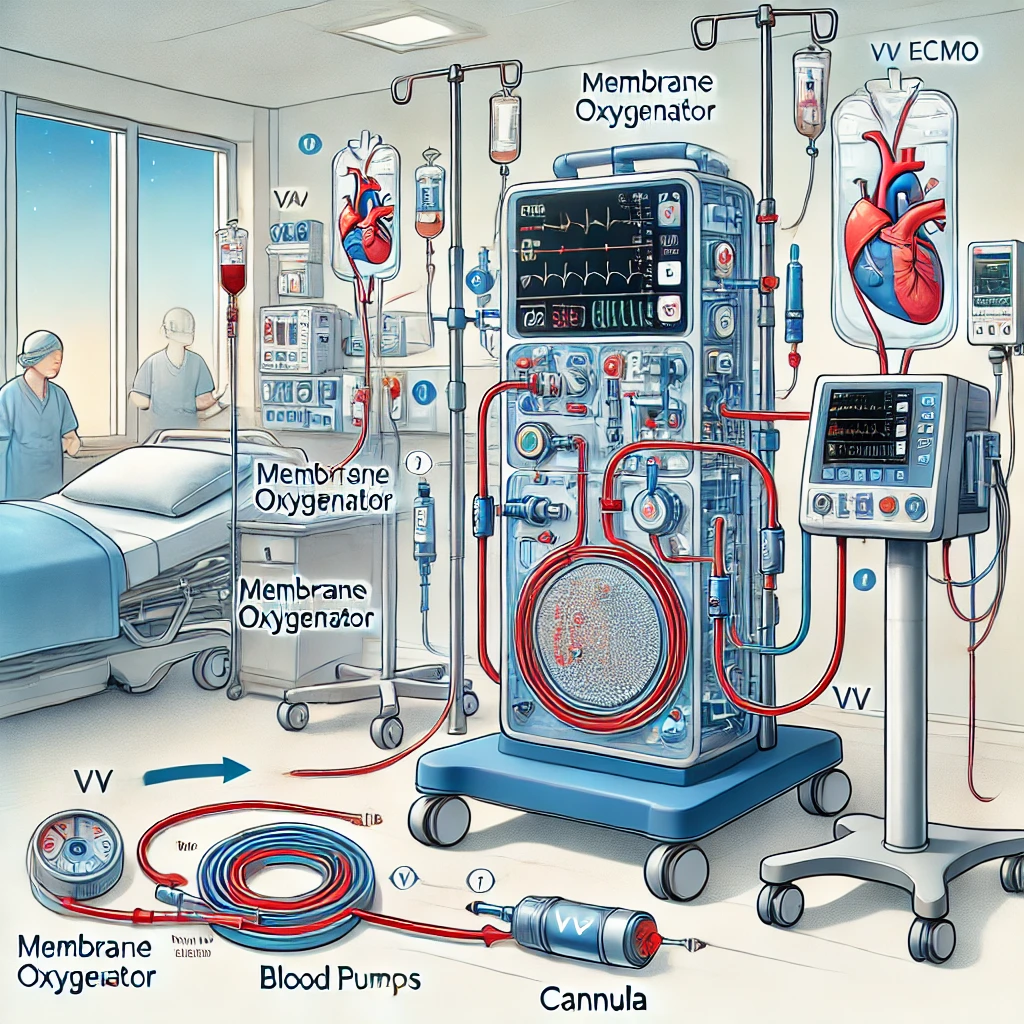
Extracorporeal Membrane Oxygenation (ECMO) is a sophisticated medical technology that provides life-saving support to patients with severe heart and lung conditions. Think of ECMO as a machine that temporarily takes…
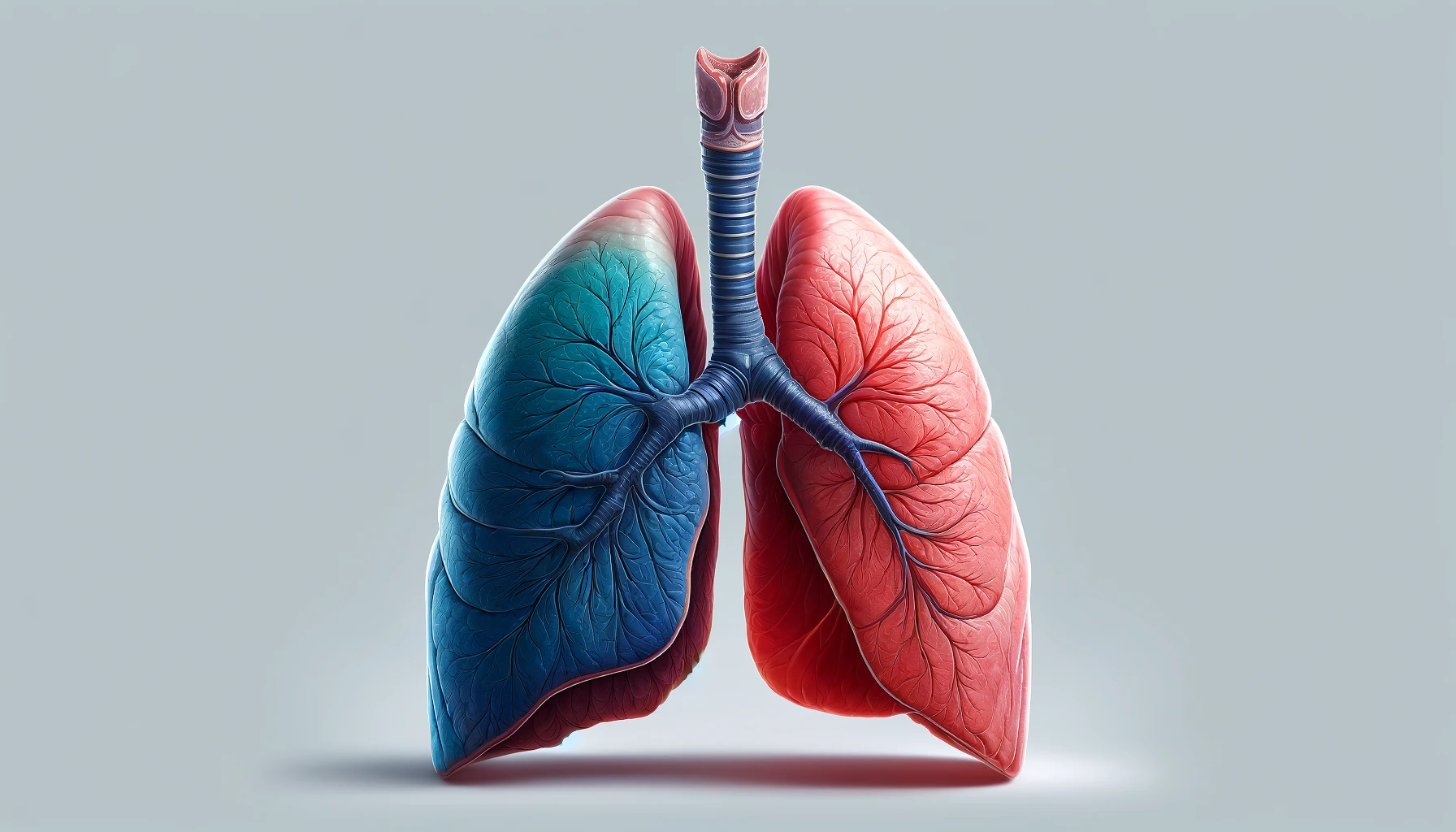
Respiratory failure is a critical condition where the respiratory system fails to maintain adequate gas exchange, resulting in hypoxemia (low blood oxygen) or hypercapnia (high blood carbon dioxide). As frontline…